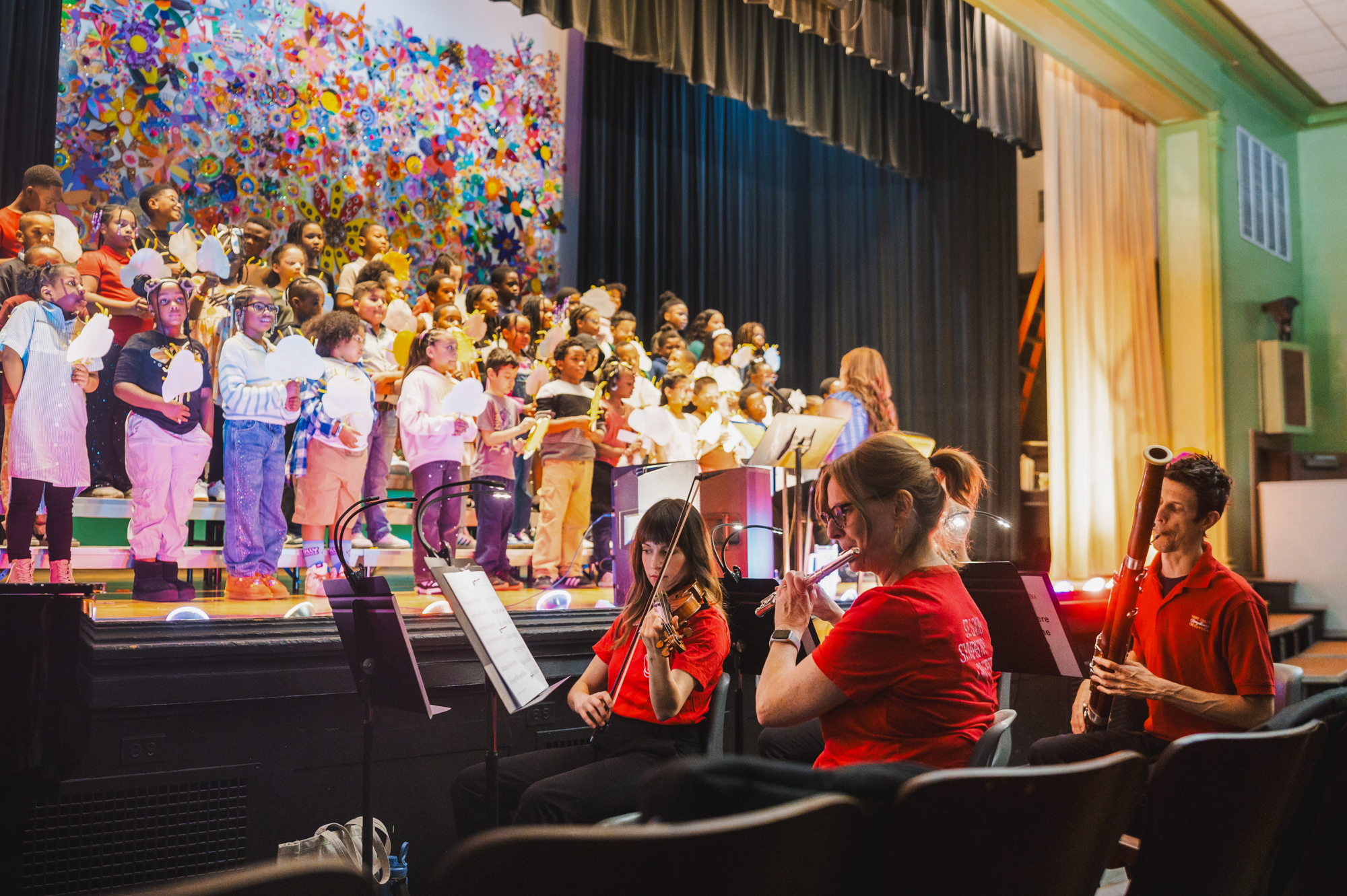
Dance Partners: The SLSO and Saint Louis Dance Theatre join forces
By Iain Shaw
The St. Louis Symphony Orchestra and Saint Louis Dance Theatre will capture the imagination of audiences next month with their latest collaboration, a performance of Igor Stravinsky’s Pulcinella Suite (January 10–11 concerts). SLSO Concertmaster David Halen and Kirven Douthit-Boyd, Artistic Director of Saint Louis Dance Theatre, share their thoughts on how an innovative collaboration like this comes together.
First Steps
A conversation between Music Director Stéphane Denève and Douthit-Boyd got the ball rolling.
“Stéphane had this great idea to remount the Pulcinella Suite, which I believe the symphony hasn’t done in a while,” Douthit-Boyd said.
With the repertoire decided, Douthit-Boyd began his research.
“I sat with the music for as long as I could,” he said, before he took a deep dive into the work’s evolution.
Pulcinella was originally written in 1919–1920 as a ballet for Sergei Diaghilev’s Ballets Russes; the original Paris Opera production featured sets designed by Pablo Picasso. The abbreviated Pulcinella Suite followed in 1922, with Stravinsky later developing other variations.
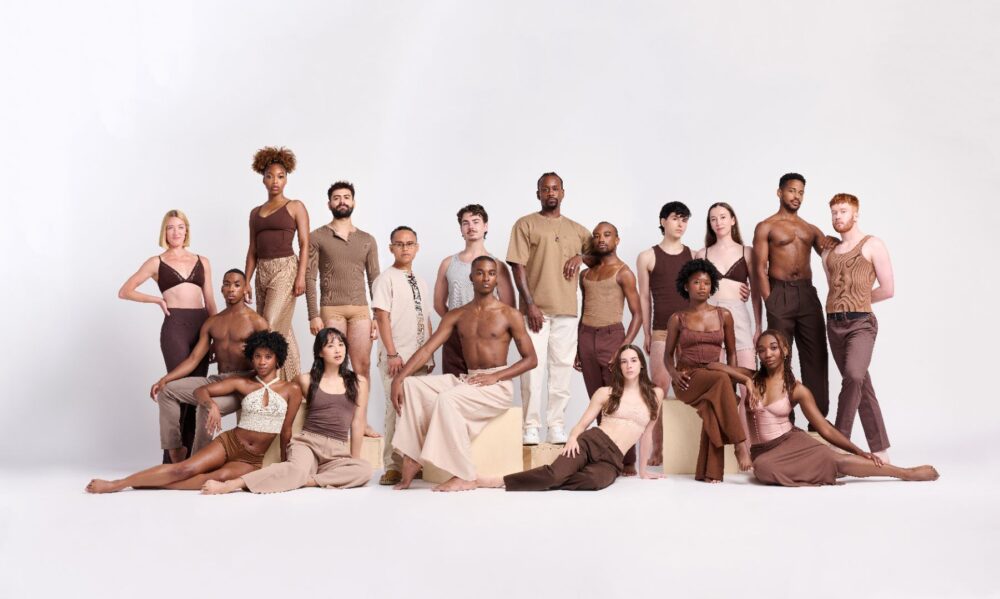
Pulcinella and its eponymous hero are named after one of the stock comedic characters of commedia dell’arte, the theater form that emerged in Renaissance-era Italy and later swept across Europe.
“There’s a lot of commedia dell’arte in Stravinsky’s writing, and not just Pulcinella,” Halen said.
The music of Pulcinella epitomizes the “neoclassical” style Stravinsky embraced at that stage of his career. Stravinsky’s lively, charismatic score mirrors his protagonist, and creates a perfect foil for the dancers. Halen pointed to Pulcinella’s Tarantella movement as an example of Stravinsky’s writing for violin; the movement’s name and frenetic pace recall the Italian folk dance fabled to be a remedy for venomous spider bites.
From Music to Movement
Douthit-Boyd believes the collaboration will provide a fitting tribute to the renewed and expanded Powell Hall at the Jack C. Taylor Music Center. As he started to consider choreography, Douthit-Boyd took inspiration from Powell Hall’s history as a vaudeville theater. “It’s kind of paying homage to that,” he said. The idea of a performance troupe coming through St. Louis gave him the impetus to start creating. “I’ve used each of the sections to highlight the dancers in different ways.”
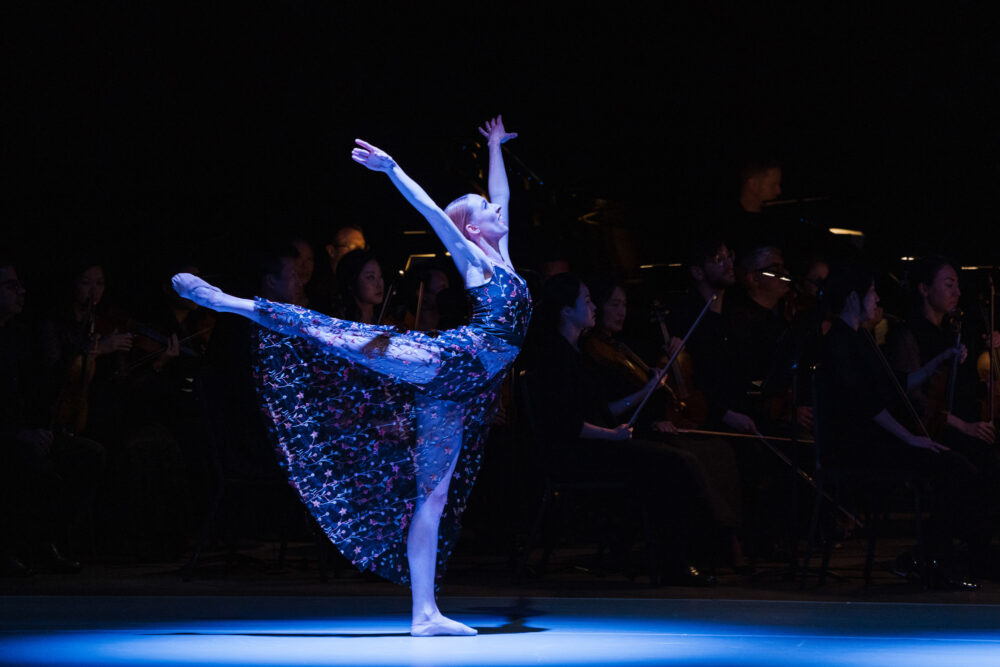
Although dance and music are intertwined, approaching a collaboration like this challenges the choreographer to deepen their understanding of the music. Developing an intimate familiarity with the score helped Douthit-Boyd figure out whether the dancers are “going to be extremely on the music, or whether they’re going to kind of move through the music.”
Refining Details
Douthit-Boyd then began working with the dancers to “translate” his ideas into the choreography, talking through the narrative and defining each dancer’s role. Figuring out how to accommodate the orchestra’s musicians while also creating sufficient space for the dancers is a vital balancing act for any collaboration of this nature.
“Stéphane has been very generous with this,” Douthit-Boyd said. “That gives me the freedom to dream and to really respond to the richness of the sound.”
Halen said the essential ingredient the orchestra must bring to the table is flexibility. “Whenever you’re dealing with dance, you must be subservient to the choreography,” Halen said. “I can advocate, but the flexibility has to be there.”
Coming Together
Douthit-Boyd looks forward to the moment when it all comes together.
“When you get into the hall with all those beautiful musicians and artists together, it almost takes your breath away,” he said.
At this stage, Halen said, some adjustments might be made, but the details are largely settled. The rehearsal is mainly to allow the orchestra and dancers to gel.
“It’s like here, in real-time, this thing is being created for us, and that to me is the most special part of being able to collaborate,” Douthit-Boyd said.
If Halen seems self-assured, it’s partly due to having performed the Pulcinella Suite on numerous occasions in his three decades with the SLSO. Indeed, the orchestra performed the suite in one of his first concerts as concertmaster, with Music Director Hans Vonk conducting. A video of that September 1996 performance can be found on YouTube, with Halen in the concertmaster’s chair.
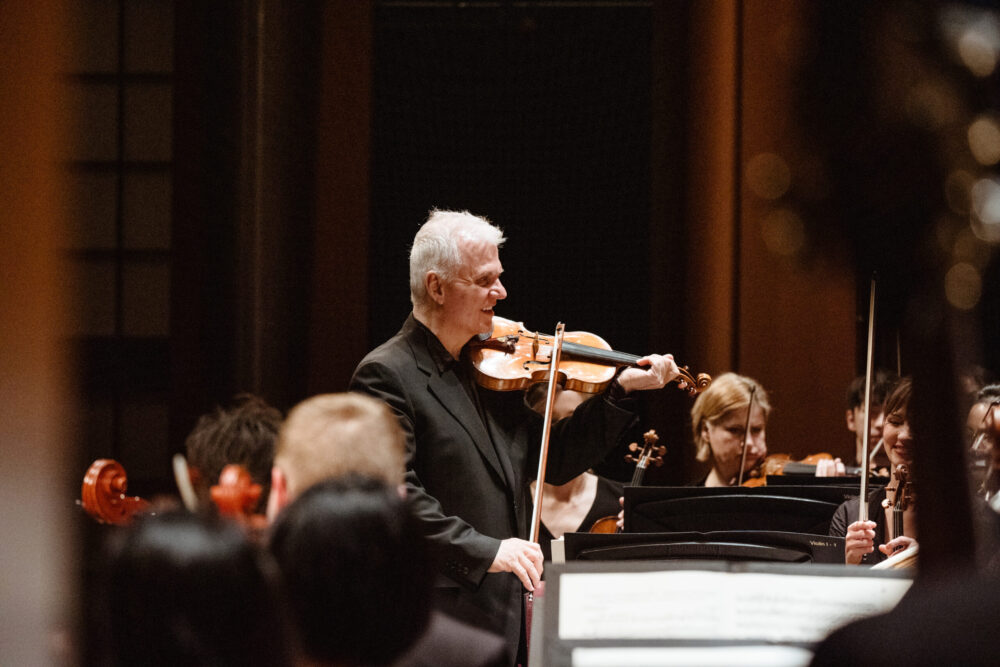
“I had brown hair—and a lot more of it,” he said.
Ahead of performing with the SLSO on January 10–11, Saint Louis Dance Theatre and Jazz St. Louis present Gaslight Dreams (December 19–20), a collaboration set to Duke Ellington’s arrangement of The Nutcracker. The company’s “Love Languages” season continues in 2026 with Walking Mad (February 27–March 1) and kiss (May 29–31), both at COCA’s Catherine B. Berges Theatre.
Iain Shaw is the SLSO’s Content Manager.