Mozart’s Magic Flute (February 20 & 22, 2026)
Program
February 20 & 22, 2026
- Stéphane Denève, conductor
- St. Louis Symphony Chorus
- Erin Freeman, director
- The St. Louis Children’s Choirs Concert Choir
- Dr. Alyson Moore, artistic director
- Ben Bliss (tenor), Tamino, a Prince from a faraway land
- Mei Gui Zhang (soprano), Pamina, the Queen of the Night’s daughter
- Will Liverman (baritone), Papageno, a birdcatcher
- Rainelle Krause (soprano), The Queen of the Night
- David Leigh (bass), Sarastro, Priest of the Sun
- Teresa Perrotta (soprano), First Lady
- Jennifer Feinstein (mezzo-soprano), Second Lady
- Daryl Freedman (mezzo-soprano), Third Lady
- Elizabeth Sutphen (soprano), Papagena
- Rodell Rosel (tenor), Monostatos, overseer of the Temple
- William Socolof (bass-baritone), Speaker of the Temple, a priest
- Justino Gordón-LeChevalié, Robert Reed, Andrew Wilson, Samuel Wright (tenors and basses from the SLSC), Men in Armor
- Benji Chu, Jack Pitlyk, Cooper Whitehorn (soloists from The St. Louis Children’s Choirs), The Three Boys
- Cori Ellison, Dramaturg and English dialogue and supertitles
- Luke Kritzeck, Lighting Designer
Die Zauberflöte (The Magic Flute)
- Music by Wolfgang Amadeus Mozart (1756–1791)
- Libretto by Emanuel Schikaneder (1751–1812)
Sung in German with English supertitles and English dialogue and narration
The Magic Power of Music
Mozart did something prodigious with The Magic Flute, says Music Director Stéphane Denève: he spoke to everybody. “It’s a fairy tale for children; it’s a philosophical opera for grown-ups. Whether you’re a Papageno of this world, or a Tamino, this opera speaks to you.”
There’s comedy on the surface, but it’s also deeply philosophical, explains Denève. “Light versus Darkness. Enlightenment versus obscurantism. Superstition against reason. The organization of power. Politics.” The personalities are complex, too. “It’s not as simple as the Queen of the Night being the dark force and Sarastro the light force.” Even Mozart’s setting blends the mysteries of Ancient Egypt with up-to-the-minute neoclassicism of the Enlightenment, and a hero who was (originally) a Prince of Java—an island of Indonesia, which for 18th-century Viennese audiences was as remote as you could possibly be. And the ambiguity masked an allegorical message: a coded representation of the values and rituals of Freemasonry.
But above all, says Denève, The Magic Flute is about “the magic power of music, the transformative power of music, the virtuous power of music.” There’s a richness to the music, which finds a toehold in folk song, in sacred music, in clever strategies like fugue, and in the drama and spectacle of the 18th-century theater.
The SLSO has played as a pit orchestra for The Magic Flute in the past; this is the first time we’ve presented it as an opera in concert. And Denève is quick to stress that “we will not compete.” You should go see a stage version when it’s possible, he says, but here in Powell Hall, our focus is on the music, and ensuring you’ll hear the best possible musical version of the opera, with a fabulous cast of voices presented to acoustical advantage.
At the same time, The Magic Flute is theater. Strictly speaking, it’s not an “opera” but a Singspiel, a “singing-play” that was premiered in a suburban vaudeville theater, and the drama and the comedy are crucial. To that end, we’ve worked with acclaimed dramaturg Cori Ellison to ensure that this opera is every bit as dramatic and entertaining and funny as Mozart and his librettist and comic lead Emanuel Schikaneder intended it to be. No spoilers …
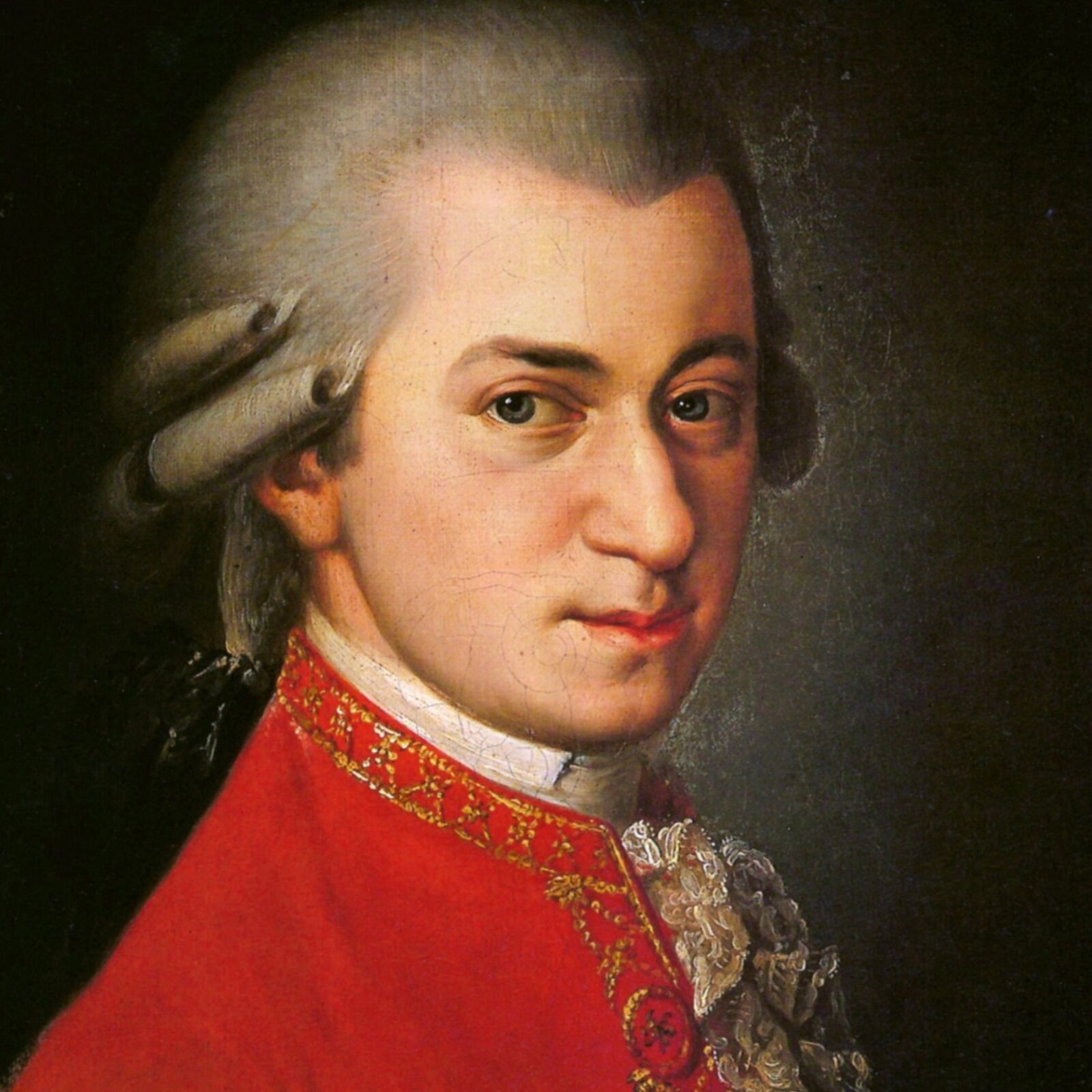
The Magic Flute
Wolfgang Amadeus Mozart
Born 1756, Salzburg, Austria
Died 1791, Vienna, Austria
More perhaps than any other opera, Mozart’s Magic Flute (Die Zauberflöte) is a great popular work of art—or perhaps one should call it a sublime entertainment. It was devised for a suburban theater in Vienna, with a Shakespearean mixture of raw comedy, magical elements, and high seriousness. The subject was proposed to Mozart by Emanuel Schikaneder, who’d recently taken over the direction of the Theater auf der Wieden. Schikaneder wrote the libretto, which gave Mozart the opportunity to create a “real” German opera, with musical numbers woven into a spoken play. This was not unlike the modern musical, but Mozart would have thought of it as a Singspiel (singing-play), a form he had already enriched with his 1782 opera The Abduction from the Seraglio.
At its simplest level, The Magic Flute is a “rescue” opera, a then popular genre, in which a traveling foreign prince, Tamino, is given the task of returning a daughter, Pamina, to her mother, the “Star-Flaming Queen” (of the Night), only to discover that Sarastro, far from being her wicked ravisher, is the wise and generous leader of an order of Priests, into which Tamino and Pamina are initiated together. Both Mozart and Schikaneder were Freemasons, and this aspect of the opera has often been interpreted as a symbolic presentation of Masonic teachings and ritual. Papageno, on the other hand, is a figure from the world of satirical, knockabout Viennese theatre. He is the birdcatcher who is assigned to Tamino as traveling companion, and this was the role played by Schikaneder himself. His magic bells, together with Tamino’s magic flute, and the many transformations, are the stock of the magical play.
There is also a didactic side to this entertainment: Mozart and Schikaneder teach and even preach while they entertain. Everyone is enlightened: Tamino, Pamina, the audience, even that man of basic appetites, Papageno. The Sun is a metaphor of this enlightenment, which banishes hatred and makes brotherhood reign.
Mozart brought this “singing play” alive with every kind of music he had written up to then, and, in the last year of his life, new veins he’d not tapped before. The music sung by the chorus of Priests and Sarastro is hymn-like; Papageno and Papagena’s idiom is close to folk song. The Italianate coloratura of the Queen of the Night’s arias shows her hypocritical nature and may be a parody of the kind of showy operatic music favored by the Imperial court. The trials by fire and by water are prefaced by a neo-Baroque chorale, while the Three Boys, the most intriguing characters in The Magic Flute, are given music at once innocent and deeply knowing, childish yet otherworldly, simple yet transcendent.
In this, his final opera, Mozart showed how musical theatre, in the language of its audience, could be marvelous, intriguing, mysterious, and popular, yet concerned with the highest of ideals as they presented themselves to all levels of society.
David Garrett © 2005/2025
| First performance | September 30, 1791, at the Theater auf der Wieden, Vienna, the composer conducting, and the librettist, Schikaneder, playing Papageno; Mozart’s sister-in-law Josepha Hofer sang the Queen of the Night |
| First SLSO performance | Early performances of vocal excerpts included Sarastro’s aria “Who treads the path of duty” with bass Edward F. Orchard and conductor Max Zach (January 3, 1909) and the overture has been in the SLSO repertoire since March 11, 1910, when Zach conducted it; the SLSO first performed in a staged production with the Opera Theatre of Saint Louis in 1980, conducted by C. William Harwood. |
| Most recent SLSO peformance | May–June 2022, in an Opera Theatre of Saint Louis production conducted by Rory Macdonald |
| Instrumentation | in addition to the vocal cast and chorus, 2 flutes (one doubling piccolo), 2 oboes, 2 clarinets (doubling basset horns), 2 bassoons, 2 horns, 2 trumpets, 3 trombones, timpani, glockenspiel, strings |
| Approximate duration | 2 hours and 45 minutes, including a 25-minute intermission |
Synopsis
Act I
Tamino enters, pursued by a monstrous serpent. Disoriented, he faints, and Three Ladies, servants of the Queen of the Night, come to his rescue then quarrel over who will tell the Queen. (All three go, leaving the unconscious Tamino alone.)
Papageno, the Queen’s birdcatcher, arrives (“Der Vogelfänger bin ich, ja!”), and takes credit for slaying the serpent—a lie that will come back to bite him. The Ladies return with a portrait of Pamina, the Queen’s daughter, and Tamino falls in love at first sight (“Dies Bildnis”). They inform him that Pamina has been kidnapped by the tyrant Sarastro, Priest of the Sun and the Queen’s longstanding enemy. The Queen herself appears on her starry throne and commands Tamino to rescue her daughter (“O zittre nicht”). For protection, Tamino is given a magic flute that can change sorrow to joy. Papageno is told to accompany him and given a disarming set of magic bells. Three wise boys will guide them.
Meanwhile, in Sarastro’s palace, Monostatos threatens Pamina with unwanted attentions. When Papageno appears, Monostatos runs off— as terrified of Papageno as the birdcatcher is of him. Papageno tells Pamina of Tamino’s love while lamenting that he has no mate of his own (“Bei Männern”).
The Three Boys bring Tamino to a grove with three temples: Wisdom, Reason, and Nature. Here he meets Sarastro’s followers and decides to join them. He also learns that Pamina is safe and that it is the Queen of the Night who is the tyrant. Overjoyed, Tamino plays his flute and hears Papageno’s bells in the distance. Sarastro now gives Tamino a new challenge: he must now undergo three trials to prove himself worthy of Pamina’s love.
Act II
The initiation rites begin with the Trial of Silence (“O Isis und Osiris”). Papageno has been promised a pretty wife as his reward for participating, but anxiety makes him talkative. Tamino remains steadfast. Meanwhile, the furious Queen appears to Pamina and orders her to stab Sarastro, threatening to disown her if she fails (“Die Hölle Rache”). Sarastro comforts Pamina: understanding and love transcend vengeance (“In diesen heil’gen Hallen”).
In the Trial of Temptation, Tamino and Papageno must forgo women and food as well as conversation. Tamino again remains steadfast. Pamina is distraught at his apparent rejection of her (“Ach, ich fühl’s”) and the Three Boys must keep her from utter despair. Papageno, however, is led astray by a flirtatious old woman. Having failed his trials and lost the promised reward (“Ein Mädchen oder Weibchen”) Papageno decides to settle for “Granny,” with surprising results.
Tamino and Pamina undergo the Trial of Fire and Water together, overcoming its dangers through the power of the magic flute and the strength of their love. Now it is Papageno’s turn for despair—he has not found true love—and again the Three Boys come to the rescue, reminding him that his magic bells will bring true happiness (“Pa Pa Pa”).
Her plan having gone awry, the Queen of the Night—joined by the Three Ladies and her new ally Monostatos—intends to storm the Temple and force Pamina into marriage with Monostatos. This last attempt at revenge is foiled by the arrival of dawn, which dispels the forces of night. Pamina and Tamino are welcomed into the order, and courage, virtue, and wisdom triumph.
Artists
Ben Bliss | Tamino
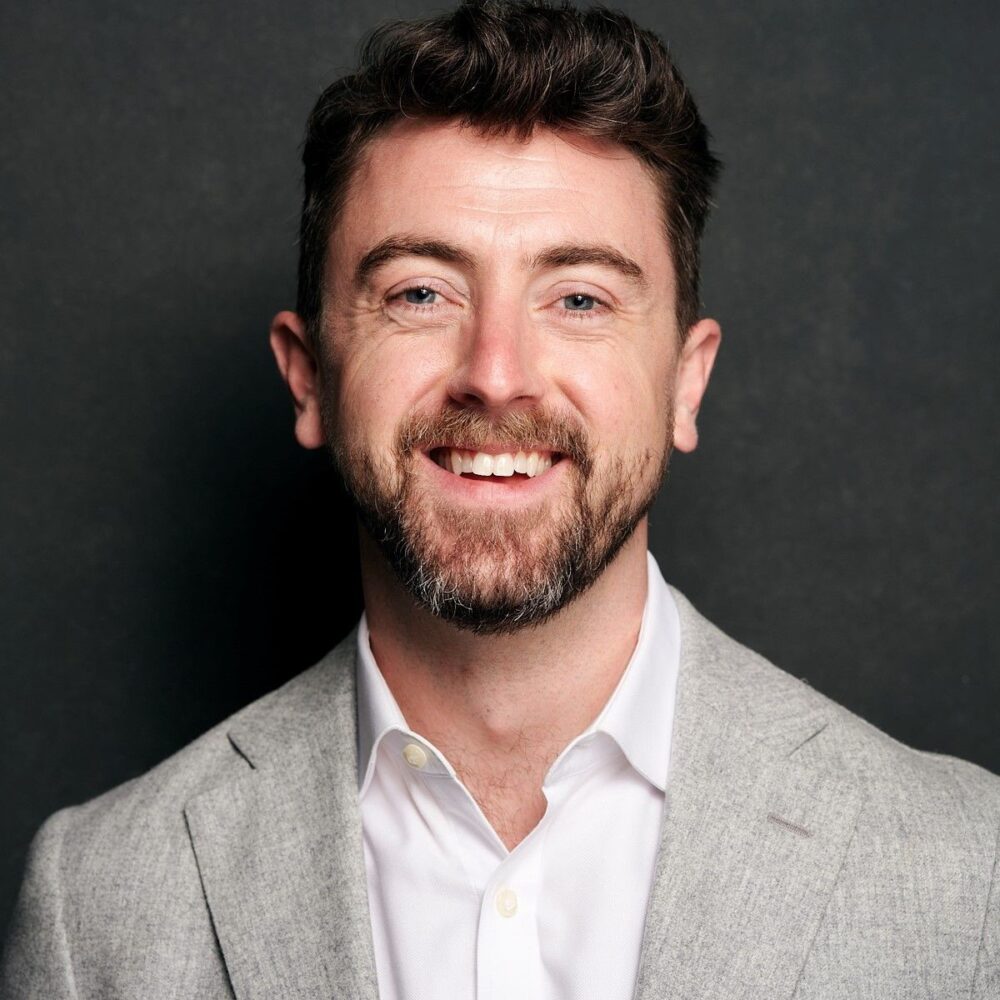
American tenor Ben Bliss has made the role of Tamino his own, singing it early in his career at the Metropolitan Opera and subsequently with the Bavarian State Opera, LA Opera, and Philadelphia Opera, most recently reprising the role at the Met in 2024/25. This is his SLSO debut. Other performance highlights of 2024/25 included Eric (Jeanine Tesori’s Grounded) and concerts with Yannick Nézet-Séguin at Carnegie Hall (Metropolitan Opera), Tom Rakewell (The Rake’s Progress) for Paris National Opera, and Jupiter (Semele) for house debuts at the Royal Ballet and Opera and Théâtre des Champs Elysées. This season he makes role debuts as the Duke in Rigoletto (Canadian Opera Company) and as Idomeneo (Washington Concert Opera). An alumnus of the Metropolitan Opera’s Lindemann Program and recipient of the Beverly Sills Award, he returns to the Met as Don Ottavio (Don Giovanni). Other highlights include Houston Grand Opera’s staged Messiah and Mozart’s Requiem (Chicago Symphony Orchestra).
Mei Gui Zhang | Pamina
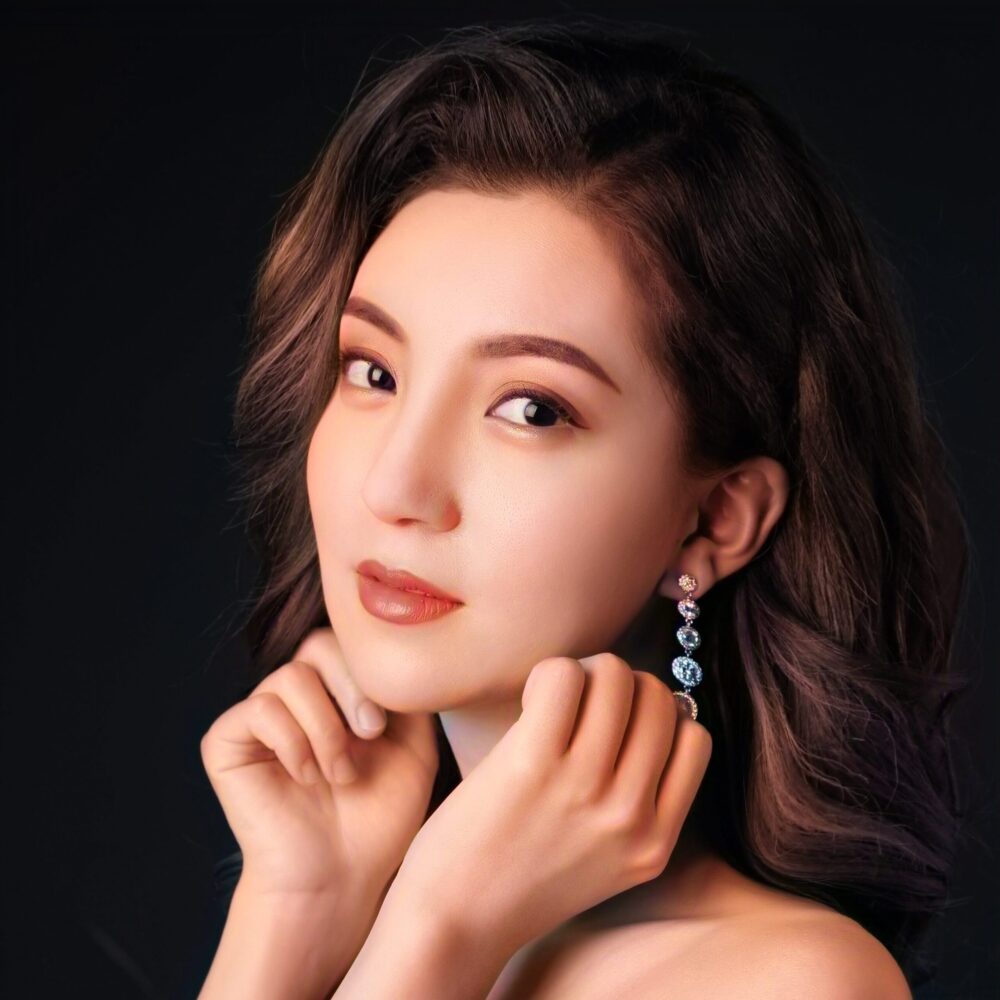
Soprano Mei Gui Zhang is enjoying a burgeoning international career, performing throughout China and the US as well as in Europe. An alumna of the Merola Opera Program, she has close ties to San Francisco Opera, returning this season as Guanyin in the premiere of The Monkey King, having sung Oscar (Un ballo in maschera) in 2024/25, Euridice (Orfeo ed Euridice), and Dai Yu (Dream of the Red Chamber). Concert appearances in 2025/26 include the Paris Philharmonic, Minnesota Orchestra, and Seattle Symphony. This is her SLSO debut. Highly regarded for her Mozart interpretations, she has sung Zerlina (Don Giovanni) with Atlanta Opera, Los Angeles Opera, Opéra National de Bordeaux, and Guangzhou Opera House, Despina (Così fan tutte) at Tanglewood, Ilia (Idomeneo) with the Metropolitan Opera, Barbarina (Le nozze di Figaro) at the Verbier Festival, and Pamina with Atlanta Opera and Opera Carolina. Her repertoire also includes Mozart’s Requiem and Exsultate, jubilate.
Will Liverman | Papageno
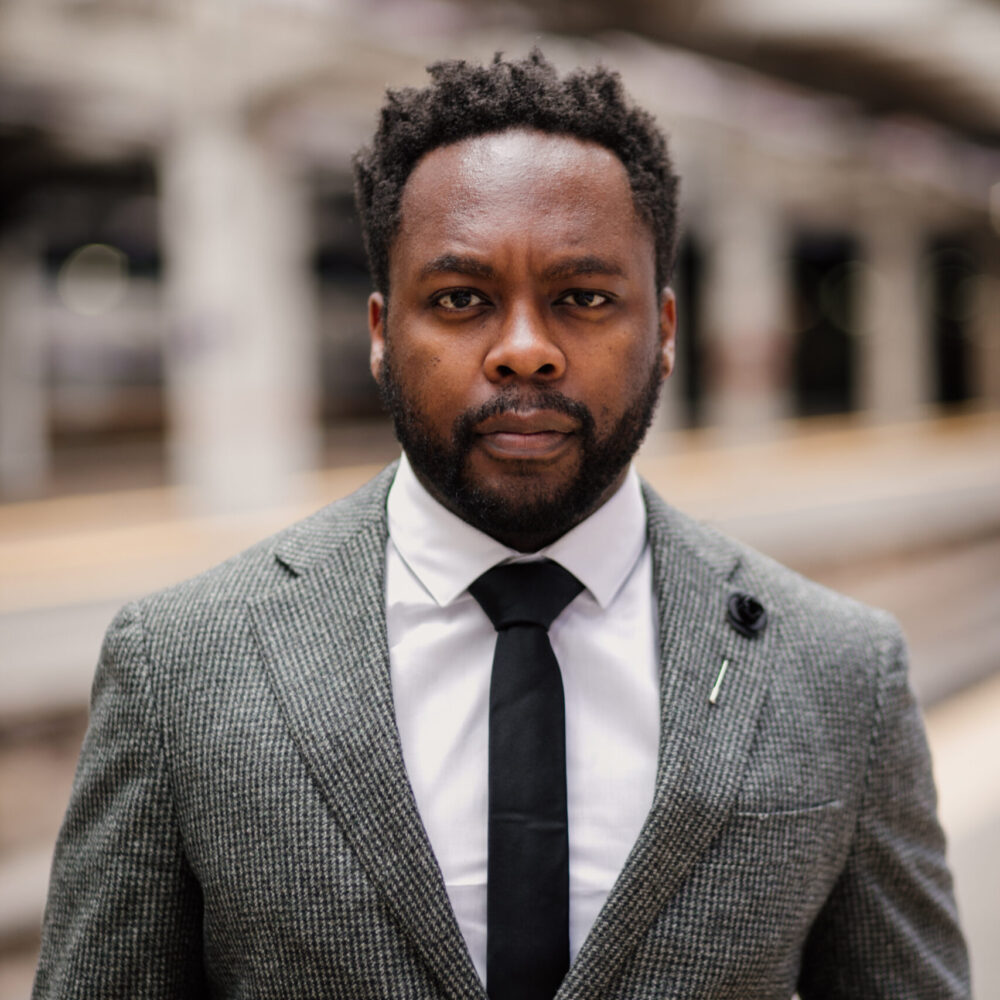
Baritone Will Liverman has been praised internationally for his versatility in dramatic and comedic operatic roles. He is also the co-creator of the soul opera The Factotum (Lyric Opera of Chicago, 2023) and his collection of original songs, The Dunbar/Moore Sessions, Volume II, has been nominated for a 2026 Grammy for Best Classical Compendium. This is his SLSO debut. At the Metropolitan Opera, he made history as the first-ever Black Papageno in The Magic Flute, more recently singing the leads in Fire Shut Up In My Bones (winning the 2023 Grammy for Best Opera Recording) and X: The Life and Times of Malcolm X. He has also served as Artistic Advisor for Renée Fleming’s SongStudio at Carnegie Hall. Recent and upcoming concert appearances include the Cleveland Orchestra, the London, Montreal, Boston, and Cincinnati symphony orchestras, and San Francisco Symphony; and performances at the Amsterdam Concertgebouw, Wigmore Hall, Carnegie Hall, Lincoln Center, and Kennedy Center.
Rainelle Krause | Queen of the Night
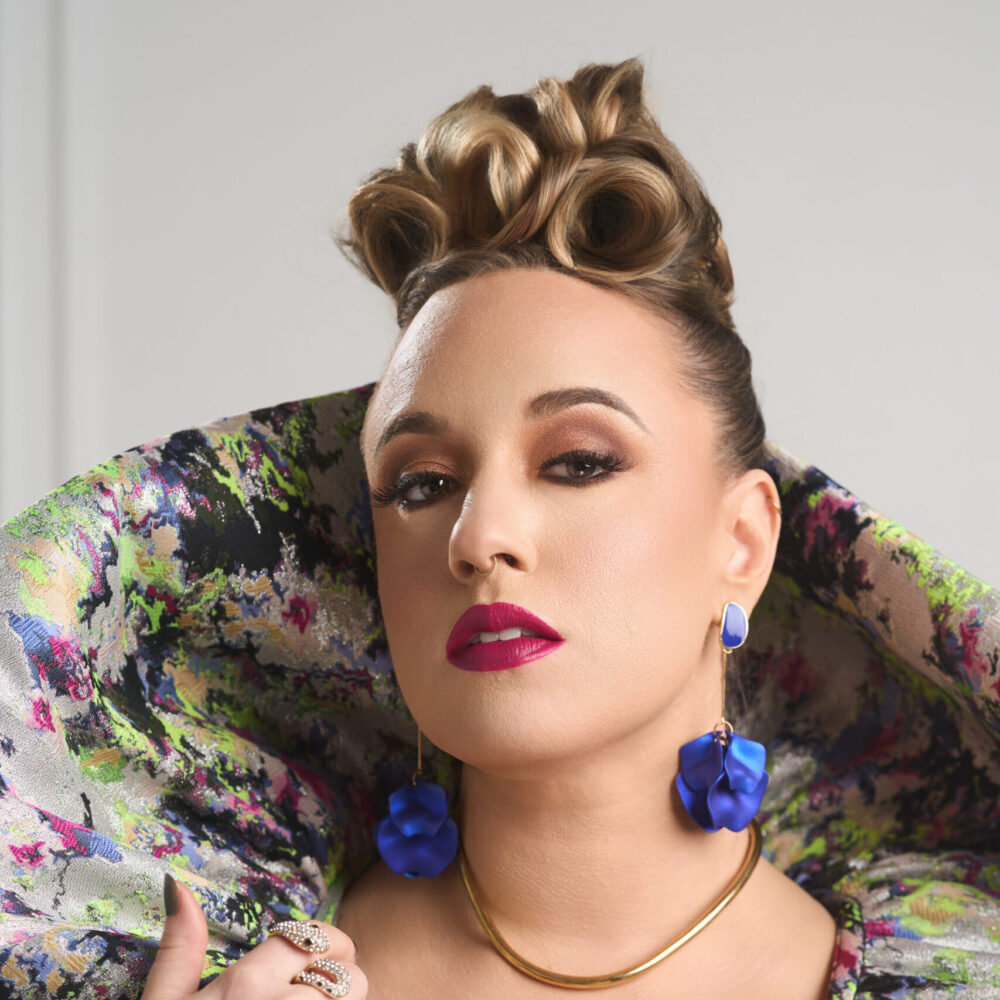
Known for her pristine, fiery coloratura, soprano Rainelle Krause brings both an unflinching ferocity and a deeply truthful humanity to the stage. The Queen of the Night is her signature role, with acclaimed performances for Atlanta Opera, Royal Danish Opera, Dutch National Opera, Berlin State Opera, Nashville Opera, and at Les Arts, València, as well as Deutsche Oper Berlin, Theater Basel, Oper Köln, Opera Orchestre Montpellier Occitanie, North Carolina Opera, and the Metropolitan Opera (cover). In addition to her SLSO debut, this season she reprises her celebrated Queen of the Night in house debuts with the Met, Santa Fe Opera, and Opera Atelier (Toronto). She will also sing Mozart arias in concert for English National Opera. She recently impressed audiences and critics alike with her Nashville Opera debut, singing the title role in Donizetti’s Lucia di Lammermoor. Other recent highlights include appearances with the English National Opera, Royal Danish Opera, the Amsterdam Concertgebouw, and at the Brevard Music Festival.
David Leigh | Sarastro
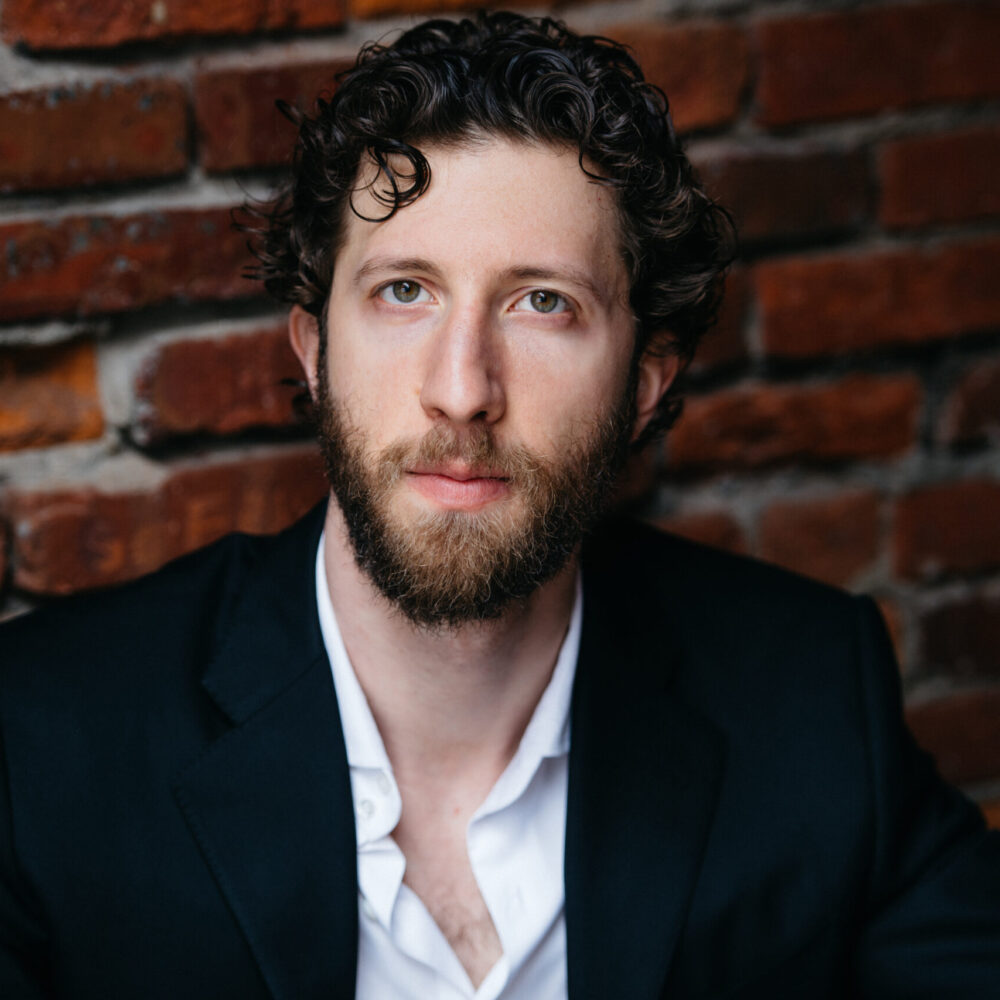
American bass David Leigh is a graduate of the Metropolitan Opera’s Lindemann Program and is internationally known for his visceral and intelligent singing. This season, his debuts include the Teatro Colón Buenos Aires singing John Claggart (Billy Budd), Varlaam (Boris Godunov) at Opéra de Lyon, and Daland (Der fliegende Holländer) at Hamburg State Opera. In addition to his SLSO debut, concert highlights include a European tour of Verdi’s Requiem. Last season, he made his Paris National Opera debut as Virgilio (Pascal Dusapin’s Il Viaggio, Dante) and sang Rocco (Fidelio) with Washington National Opera, as well as appearing twice with the Czech Philharmonic Orchestra in Janáček’s Glagolitic Mass (Carnegie Hall) and Mahler’s Symphony No. 8 (Prague Spring Festival). Elsewhere, he joined the Rochester Philharmonic Orchestra for Mozart’s Requiem, the Nashville Symphony for Beethoven’s Ninth Symphony, and presented a solo concert with Minnesota Opera. In addition to singing Sarastro for the Canadian Opera Company and Opéra national de Lorraine, role highlights include Hagen (Götterdämmerung), the Commendatore (Don Giovanni), and King Marke (Tristan und Isolde).
Teresa Perrotta | First Lady
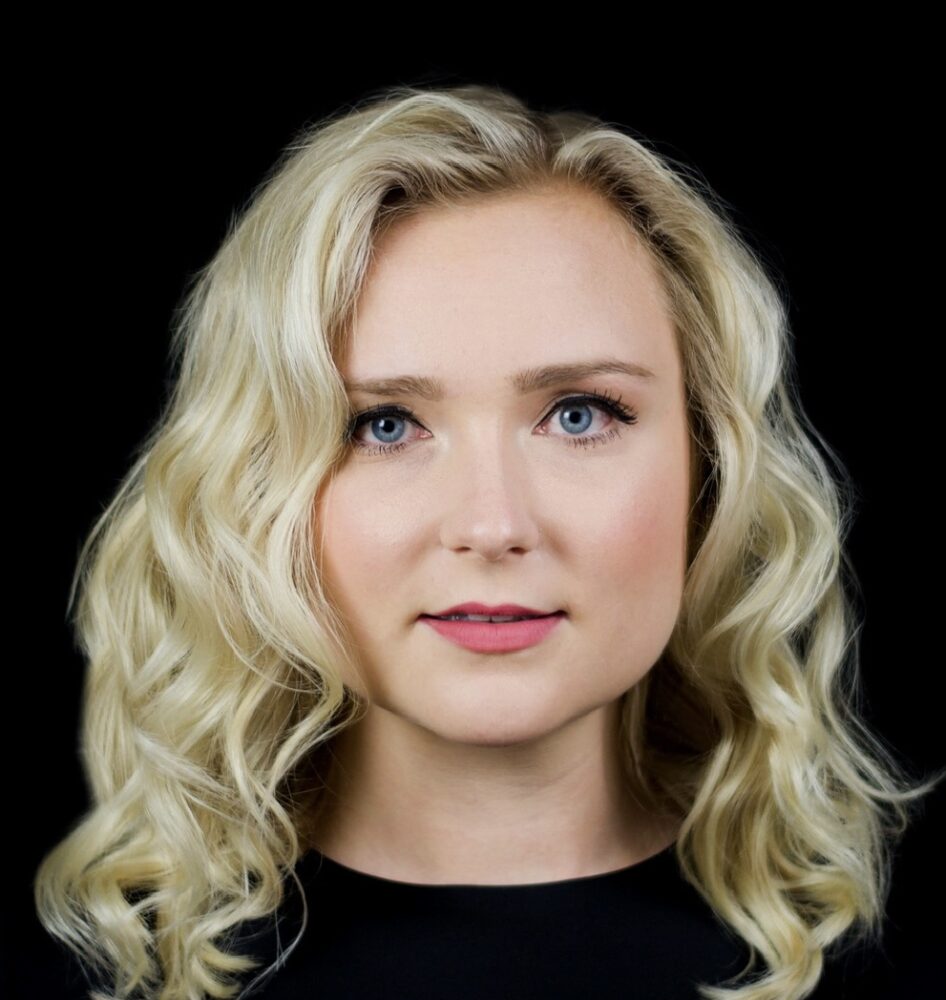
In addition to her SLSO debut, this season soprano Teresa Perrotta sings Micaëla (Carmen) in house debuts with the Dallas Opera and Cincinnati Opera. Recent highlights include her Metropolitan Opera debut singing First Lady (The Magic Flute), debuts with Opera Theatre of Saint Louis singing Helena (A Midsummer Night’s Dream) and Opera Omaha singing Donna Anna (Don Giovanni), and concert performances with the Washington National Opera (Gods and Mortals: A Celebration of Wagner) and Pacific Symphony (Freia in Das Rheingold). In her final year as a Cafritz Young Artist at Washington National Opera, her mainstage roles included Also Jess in the premiere of Jeanine Tesori’s Grounded and Guadalena in Songbird. She also made concert debuts with the Erie Philharmonic, Santa Fe Symphony, and Pacific Symphony. In the 2022/23 season she made her Kennedy Center debut in Elektra, returning to sing Musetta (La bohème), and returned to the Glimmerglass Festival to make her mainstage debut as Mimì (La bohème).
Jennifer Feinstein | Second Lady
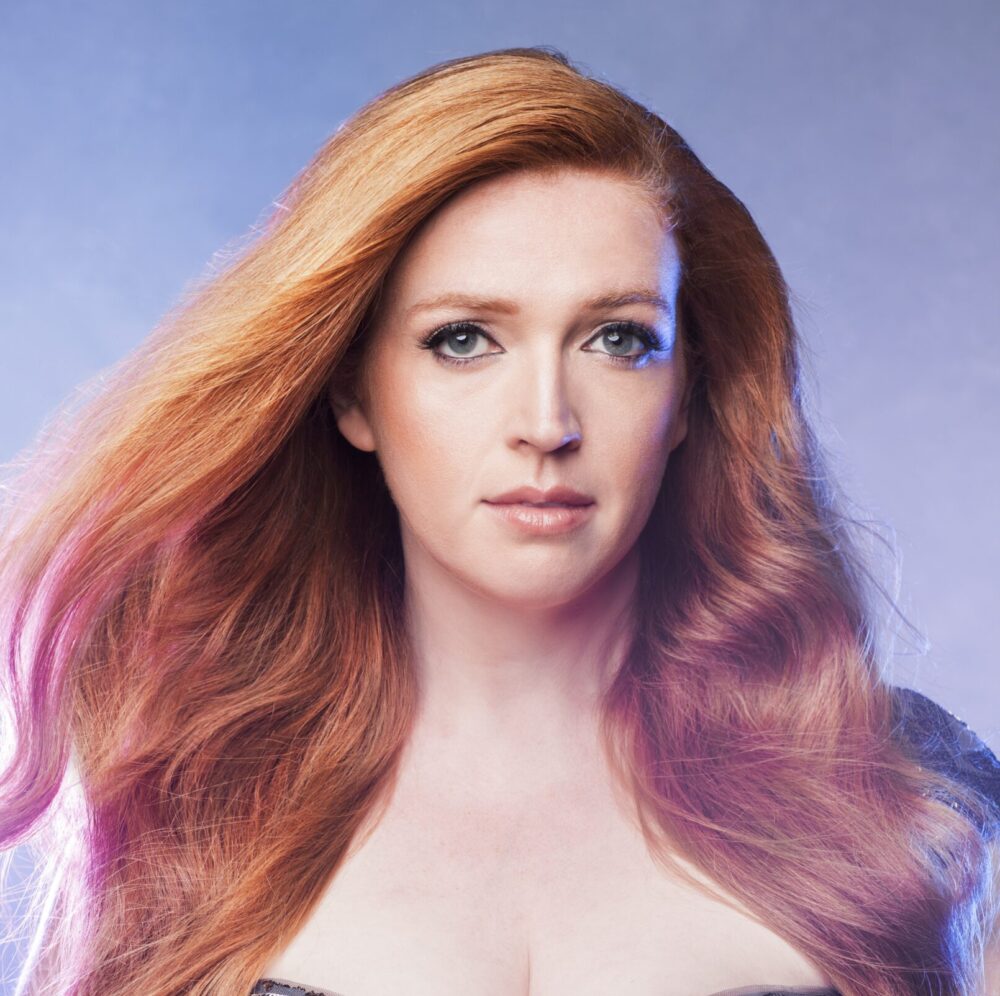
In addition to her SLSO debut, this season’s highlights for mezzo-soprano Jennifer Feinstein include a recording of Salome, singing the Page of Herodias, for Orquesta Sinfónica de Minería. Recent engagements include Brangäne (Tristan und Isolde) at Oper Wuppertal, Fidès (Le Prophète) at Bard SummerScape, Nabucco at the Metropolitan Opera, and her Cleveland Orchestra debut as Second Lady (The Magic Flute). She previously appeared in Norma at the Metropolitan Opera, and sang Third Maid in Elektra in Wiesbaden and Penderecki’s Credo with the Oregon Bach Festival. As a member of the ensemble at Badisches Staatstheater Karlsruhe, her roles included Manja (Countess Maritza), La Ciesca (Gianni Schicchi), Elvira (Don Giovanni), Prima Donna (Ariadne auf Naxos), Sara (Roberto Devereux), Giulietta and Stella (Les contes d’Hoffmann), Berta (Il barbiere di Siviglia), Giovanna Seymour (Anna Bolena), Third Maid, and the Owl (The Cunning Little Vixen). She also sang the Messenger in the American premiere of Korngold’s Das Wunder der Heliane.
Daryl Freedman | Third Lady
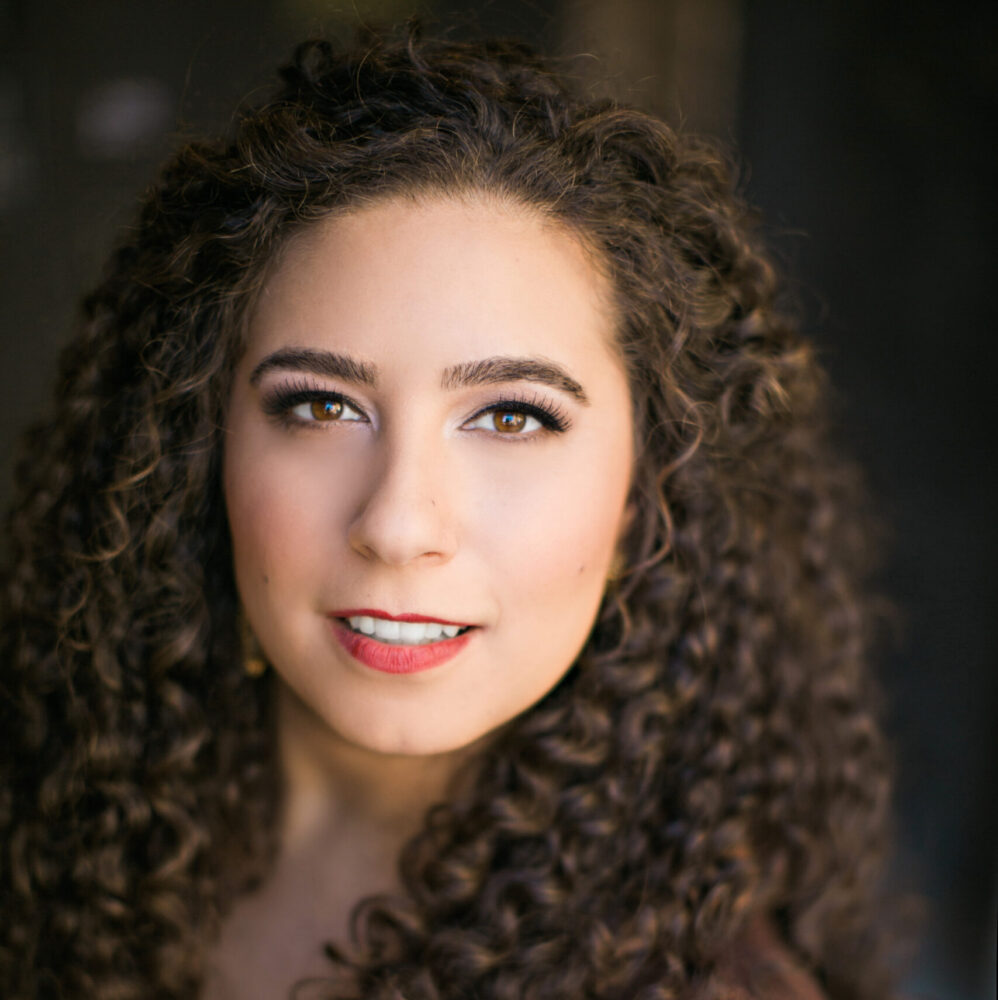
In addition to her SLSO debut singing Third Lady, season highlights for mezzo-soprano Daryl Freedman include reprising the role for the fourth time at the Metropolitan Opera, where she will also cover Madelon in Andrea Chénier. Last season she made her Pacific Symphony debut in Verdi’s Requiem. In recent seasons she has sung Third Lady in staged performances by the Cleveland Orchestra, covered Ulrica (Un ballo in maschera) for the Met and Amneris (Aida) for both the Met and Lyric Opera of Chicago, made her role debut as Ulrica with Maryland Lyric Opera, and made role and house debuts singing Fricka (Das Rheingold) for Virginia Opera and the title role in Julius Caesar for Atlanta Opera. A graduate of the Cafritz Young Artist Program, she subsequently returned to Washington National Opera to sing Powerful Woman/Adelaide Johnson in the 2022 premiere of Kamala Sankaram’s Rise. That year she also made her Salzburg Festival debut as Sister Dolcino (Suor Angelica). Other highlights include her Met debut as Schwertleite (Die Walküre), which she also sang at Théâtre du Capitole de Toulouse.
Rodell Rosel | Monostatos
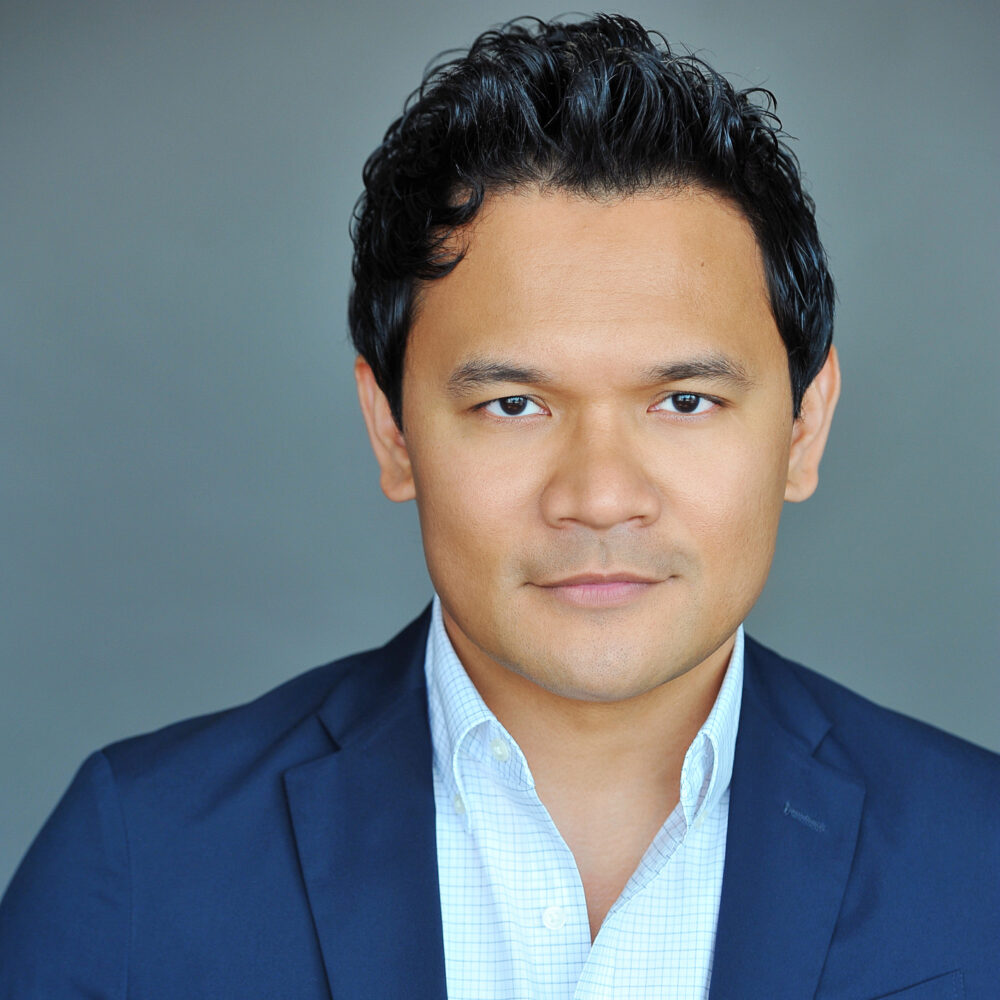
Originally from the Philippines, tenor Rodell Aure Rosel appears regularly with the Metropolitan Opera, Lyric Opera of Chicago, LA Opera, Houston Grand Opera, and Royal Ballet and Opera. He is known for his superb portrayals of character roles such as Monostatos, Goro (Madama Butterfly), Mime and Loge (Wagner’s Ring cycle), Don Basilio (Le nozze di Figaro), Tanzmeister (Ariadne auf Naxos), Spoletta (Tosca), and the Four Servants (The Tales of Hoffmann). He has sung Monostatos at the Met, as well as with Royal Ballet and Opera, LA Opera, Seattle Opera, and in concert with the Cleveland Orchestra. This is his SLSO debut. This season he also returns to the Met as Pong (Turandot) and Goro, makes his Washington National Opera debut as Don Basilio, and sings Goro with Lyric Opera of Chicago. In 2024–25, he sang Goro with LA Opera, Mime (Siegfried) with Atlanta Opera, Beppe (Pagliacci) with Austin Opera, Loge (Das Rheingold) with Calgary Opera, and Monsieur Taupe (Capriccio) at the Edinburgh International Festival.
Elizabeth Sutphen | Papagena

Coloratura soprano Elizabeth Sutphen is admired for her sparkling vocalism and commanding stage presence. She returns to the SLSO having made her debut in the 2019 New Year’s Gala, and she is a proud alumna of the Opera Theatre of Saint Louis Gerdine Young Artist Program. Recent highlights include her Spoleto Festival USA debut as the Governess (The Turn of the Screw) and upcoming engagements include Opera San Antonio as Rosina (Il barbiere di Siviglia) as well as her house debut with Opera Omaha as Zerbinetta (Ariadne auf Naxos), her signature role. In recent seasons she has made notable role and house debuts with Arizona Opera as Rosina, as well as the Metropolitan Opera and Glimmerglass Festival. She is also a long-standing favorite guest at Frankfurt Opera following her training in the company’s Opera Studio. Elizabeth Sutphen is a graduate of the Juilliard School.
William Socolof | Speaker of the Temple
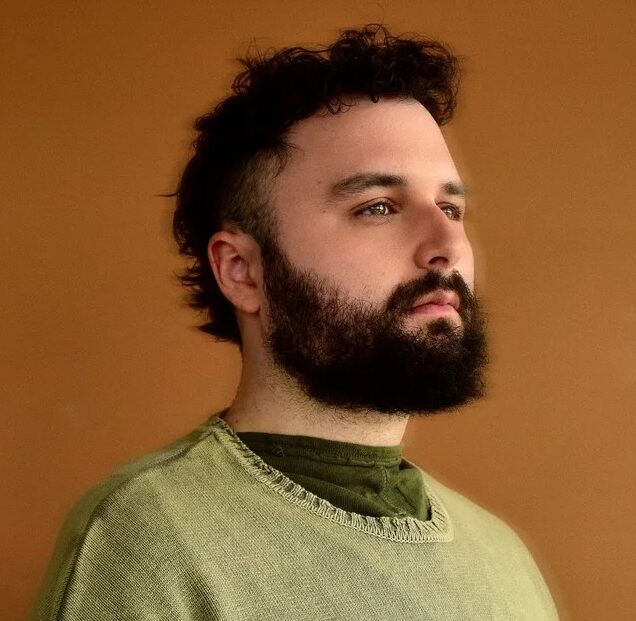
Bass-baritone William Socolof has appeared as a soloist with leading North American orchestras, including the Boston and National symphony orchestras, New York Philharmonic, and Philharmonia Baroque Orchestra. In addition to his SLSO debut, the 2025/26 season includes concert performances of Salome with the WDR Sinfonieorchester in Cologne and at the George Enescu International Festival, Matthew Aucoin’s Music for New Bodies with the American Modern Opera Company in Seattle, and his Sarasota Orchestra debut in Copland’s Old American Songs. He also returns to Opera Theatre of Saint Louis for his role debut as the Pirate King in The Pirates of Penzance. Recent performance highlights include his National Symphony Orchestra debut in Bernstein’s Mass, Vaughan Williams’s Sir John in Love with the American Symphony Orchestra, Beethoven’s Choral Fantasy with the Boston Symphony Orchestra, Barber’s Dover Beach with the Borromeo String Quartet at Carnegie Hall, and a tour with the Philharmonia Baroque Orchestra.
Cori Ellison | Dramaturg, English dialogue and supertitles
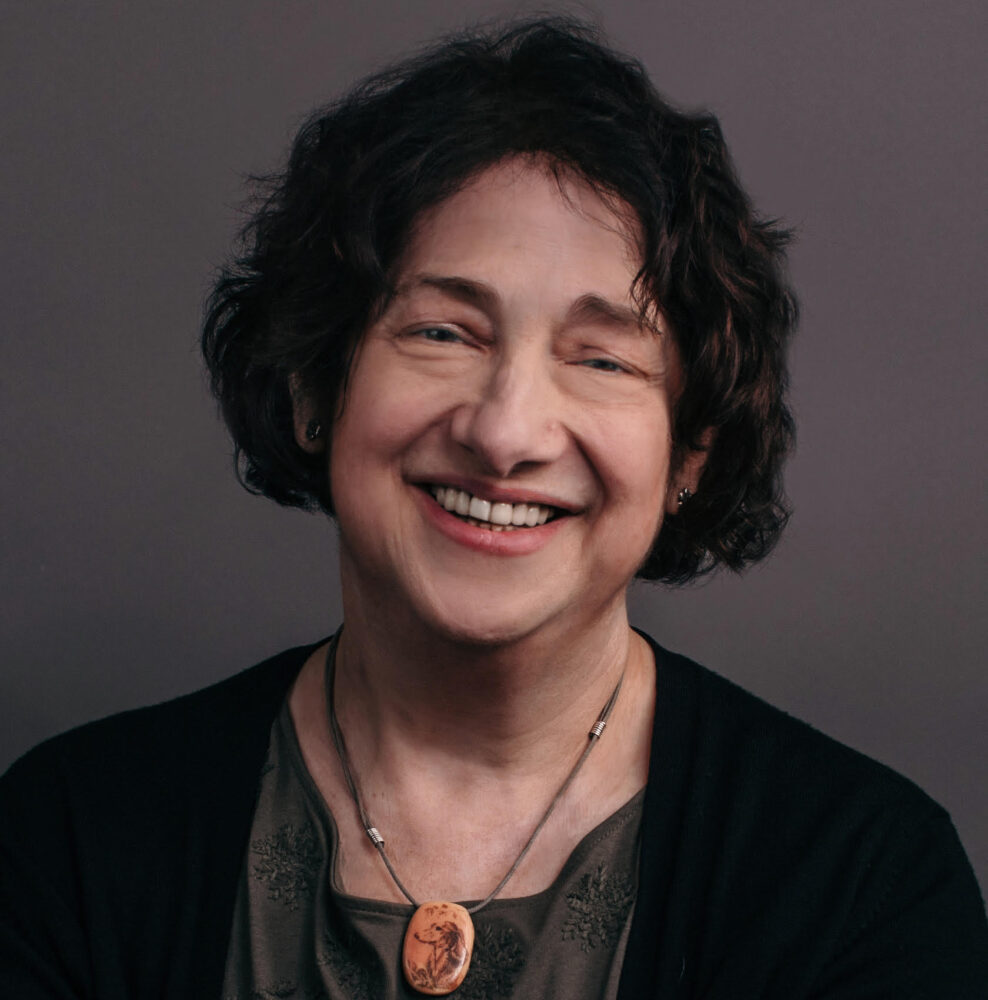
A leading creative figure in the opera world, Cori Ellison has been staff dramaturg at Santa Fe Opera, the Glyndebourne Festival, and New York City Opera. She is currently production dramaturg for the Los Angeles Philharmonic’s Ring cycle, and has served in that capacity on L’incoronazione di Poppea (Cincinnati Opera), Orphic Moments (Salzburg Landestheater, National Sawdust, Master Voices), Dialogues des Carmélites (Wolf Trap Opera), Handel’s Aci, Galatea, e Polifemo (National Sawdust, Philharmonia Baroque), The Nose (Opera Boston), Offenbach!!! (Bard SummerScape), La finta giardiniera (Indiana University) and Washington National Opera’s Ring cycle. Also active in developing contemporary opera, she is a founding faculty member and mentor at American Lyric Theater’s Composer Librettist Development Program, and has developed new operas for numerous companies worldwide. She creates supertitles for the Metropolitan Opera and other companies internationally. Cori Ellison serves on the faculty of the Juilliard School (Vocal Arts) and the Ravinia Steans Music Institute Program for Singers. She has led seminars, taught master classes, and adjudicated vocal competitions at prestigious institutions worldwide.
Erin Freeman
Director of the St. Louis Symphony Chorus; AT&T Foundation Chair
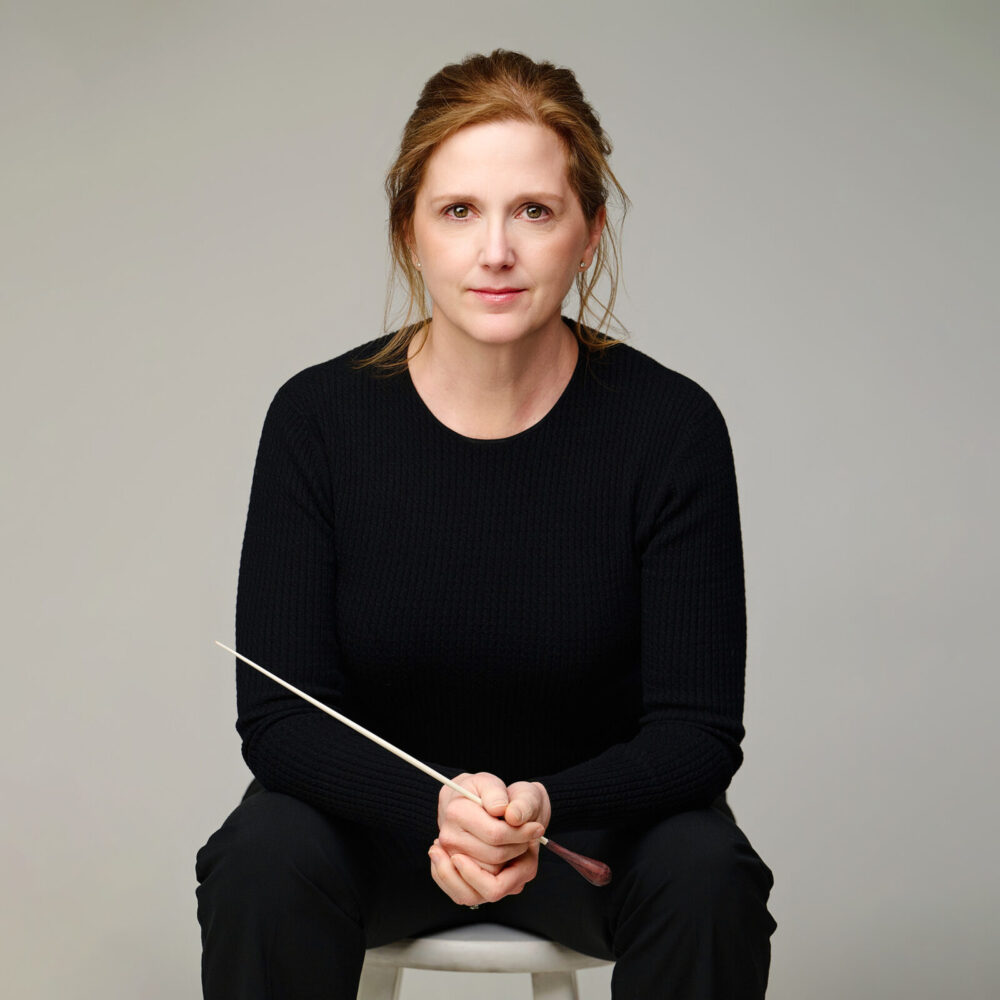
A versatile and engaging artist, conductor Erin Freeman was named Director of the St. Louis Symphony Chorus in July 2024. She also serves in positions throughout the District of Columbia and the Commonwealth of Virginia, and maintains an international presence through guest conducting. She is Artistic Director of the City Choir of Washington and Wintergreen Music, and Principal Conductor of the Richmond Ballet (State Ballet of Virginia), and recent positions include Director of the award-winning Richmond Symphony Chorus and Director of Choral Activities at Virginia Commonwealth University and George Washington University.
In addition to directing the St. Louis Symphony Chorus, recent performance highlights have included concerts at Brazil’s Sala São Paulo with the City Choir of Washington and Brazilian Mozarteum Academic Orchestra, productions for Washington Ballet and Richmond Ballet (Carmina Burana for her debut at Wolf Trap National Park for the Performing Arts), and her New York City Ballet debut (George Balanchine’s The Nutcracker).
Guest conducting engagements include concerts with the Toledo, Detroit, Portland (Maine), and Virginia symphony orchestras; Charlottesville Symphony; Buffalo and Savannah philharmonic orchestras; and Berkshire Choral International (at the Vienna Musikverein). She has also conducted at Carnegie Hall, Boston Symphony Hall, Cadogan Hall, Lincoln Center, La Madeleine in Paris, and the Kennedy Center, and has led and/or prepared the Richmond Symphony Chorus for multiple recordings, including the 2019 Grammy-nominated release of Children of Adam by Mason Bates.
In the 2025/26 season she will conduct productions of Nutcracker and Giselle (Richmond Ballet) and Coppélia (Toledo Ballet), a concert performance of The Music Man (City Choir of Washington and the Washington National Opera Orchestra), and a performance of Bach’s Mass in B minor in Washington’s historic National Presbyterian Church.
St. Louis Symphony Chorus
- Erin Freeman
- Director
- Leon Burke III
- Assistant Director
- Gail Hintz
- Accompanist & Manager
- Timothy Anderson
- George Aplin
- Charles Badami
- Nicholas D. Bashaw
- Maureen Bierhals
- Pamela Bingham
- Jerry Bolain
- Joy Boland
- Michael Bouman
- Keith Boyer*
- Robyn Brandon
- Daniel P. Brodsky
- Elise Brubaker
- Spencer Lee Burbach*
- Catherine Burge
- Leon Burke III*
- Leslie Caplan
- Victoria Carmichael*
- Mark P. Cereghino
- Rhonda Collins Coates
- David T. Cox
- Derek Dahlke*
- Kelly Daniel-Decker
- Laurel Ellison Dantas*
- Grace Denton
- Jei Mitchell Evans
- Ladd Faszold
- Alan Freed
- Mark Freiman*
- Lea Luecking Frost
- Warren Fryeton
- Mason German
- Gavin Ghafoori
- Megan E. Glass
- Justino Gordón-LeChevalié*†
- H. Everett Gossard
- James Haessig*
- Susan H. Hagen
- Carlea Halverson
- Jessica Hansen
- Kevin D. Hart
- Nancy J. Helmich
- Ellen Henschen
- Carole Hughes
- Matthew Jellinek
- Samantha Johnson
- Preston Jordan
- James Kalkbrenner*
- Jason D. Keune
- Patricia Anne Kofron
- Nancy Kowalczyk
- Christina Kruger*
- Paul Kunnath
- Patricia Lacoss-Arnold
- Sarah Lancaster
- William Larson
- Karyn Lisker
- Julie Longyear
- Gina Malone*
- Kellen Markovich
- Charles McCall
- Elizabeth McKinney
- Scott Meidroth
- Ashleigh CS Moffit-Brunngraber
- Abby C. Nahlik
- Emily Mae Nelson
- Hannah Nelson
- Megan Nguyen
- Shelby Niemann
- Duane L. Olson
- Nadiana Ortiz
- Yeeun Paik
- Matt Pentecost*
- Brian Pezza
- Sarah Price*
- Shelly Ragan
- Robert Reed*†
- Valerie Christy Reichert
- Kate Reimann*
- Casey Ridenour
- Joy Rikli
- Nathan Tulloch Ruggles*
- Paul N. Runnion
- Taran N. Sachak
- Mark V. Scharff
- Leann Schuering*
- Sophie Shugart-Fischer*
- Victoria Siddell*
- Charles G. Smith
- David Spencer
- Matthew Stansfield
- David Stephens
- Alyssa Strauss
- Laura Swearingen
- Heather Butler Taylor
- Andrew Thomas
- Natanja Tomich*
- Philip Touchette*
- Cortney Towns
- Greg Upchurch
- Robert Valentine*
- Diane Watson
- Emily Welch
- Andrew Wilson*†
- Paula N. Wohldmann
- Tristan Wood
- Samuel Wright*†
- Susan Donahue Yates
- Danielle Yilmaz*
- Raphaella Zavaglia*
- Carl Scott Zimmerman
- *Section Principals
- †Men in Armor
Dr. Alyson Moore
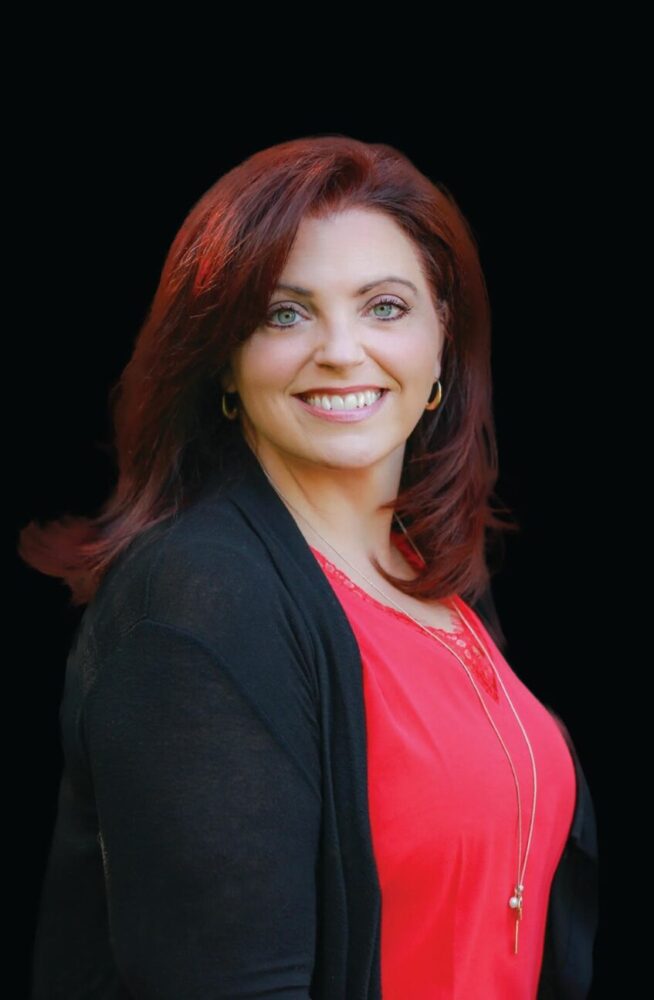
Alyson Moore is a scholar, choral educator, and lyric soprano. Her experience includes teaching masterclasses and performing Brahms’ German Requiem with the Ho Chi Minh Symphony Orchestra in Vietnam, as well as focused research and performance in Buenos Aires of composer Carlos Guastavino. While serving as the Director of Arts at the Bryn Mawr School in Baltimore, Maryland, her choirs performed at the Kennedy Center, Carnegie Hall, US State Department, and Blair House, as well as at the International Kodály Symposium in Budapest and Kecskemét, Hungary. In addition to her work as a regional choral clinician and adjudicator, Alyson Moore is the founder of the American Kodály Children’s Chorus in Baltimore, where she served as Artistic Director before becoming Director of Voice and Choirs at University High School in Fresno, CA. She also held a voice faculty position at Fresno Pacific University and served as the Artistic Director of Fresno Choral Artists. In 2023, she became the fourth Artistic Director of the St. Louis Children’s Choirs, focusing on musical literacy, excellence, and independence for learners, bringing a hybrid approach to music education through the philosophies of Edwin Gordon, Carl Orff, and Zoltán Kodály to her work at the Choirs.
The St. Louis Children’s Choirs
Now in its 48th season, The St. Louis Children’s Choirs (SLCC) are a nationally recognized music education program with 370 talented young singers (ages 6 to 18) from over 125 schools and 75 zip codes. Led by Artistic Director Dr. Alyson Moore, young singers achieve music excellence and character growth through the performance of high-quality choral literature and world-class performance opportunities. The Choirs have toured to 14 international destinations, serving as St. Louis ambassadors to the world. The Choirs will tour to Portugal in 2026. In addition to a beloved friendship with the SLSO, SLCC is grateful for continuing partnerships with Opera Theatre of Saint Louis, COCA (Center of Creative Arts), the Bach Society of Saint Louis, the Ambassadors of Harmony, and others.