Behind the Sound: New Technology Brings Greater Clarity to Powell Hall
By Eric Dundon
For St. Louis Symphony Orchestra concerts, Powell Hall itself acts as another instrument in the ensemble. Its celebrated acoustics allow the sound of the orchestra to travel naturally from the stage to the audience. For Music Director Stéphane Denève, being in the hall “feels like you are in a Greek amphitheater, like there is something mysterious carrying the sound so beautifully to somewhere so far away.”
But some performances ask the hall—and the SLSO’s production team—to do something different.
Popular artists, amplified specials, and other programs can bring vocalists, electric instruments, keyboards, and dozens of microphones to the stage. To meet those increasingly sophisticated demands, the SLSO has invested in a new front-of-house audio system and onstage monitor setup designed to give engineers greater control and audiences clearer, more detailed sound.
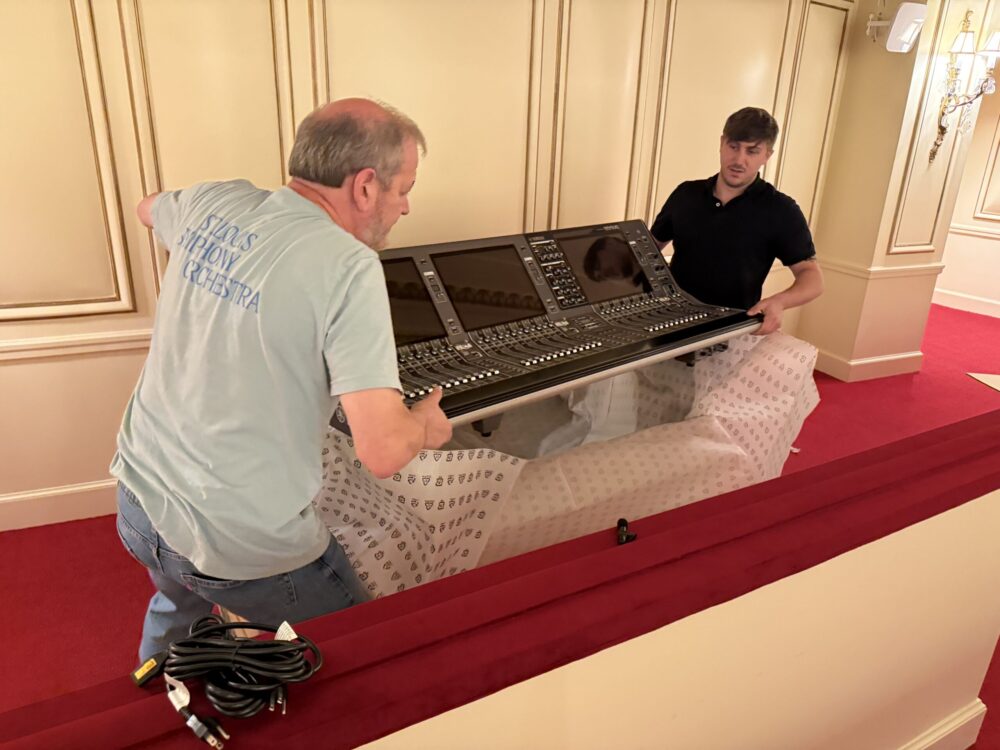
“It’s not always about volume,” said Ron Bolte, the SLSO’s Assistant Stage Manager for Sound. “Most of the time in this hall, it’s more about clarity and articulation.”
In an amplified performance, microphones can capture more than their intended source. A vocalist’s microphone, for example, might also pick up nearby drums or the brass instruments in the back row. The new equipment offers significantly more advanced processing, allowing engineers to better isolate individual sounds and create a cleaner mix.
For audiences, Bolte said, that means much clearer and more articulate sound for amplified concerts like the SLSO’s Powell Hall Presents series, which showcase non-orchestral performances by rock groups, jazz ensembles, and more.
The upgrade also transforms what musicians hear.
During many amplified concerts, an engineer stationed to the side of the stage operates a separate monitor console. While the front-of-house engineer shapes the sound heard by the audience, the monitor engineer creates mixes specifically for the performers—allowing a singer, bassist, or other musician to hear the combination of instruments they need through an earpiece or monitor.
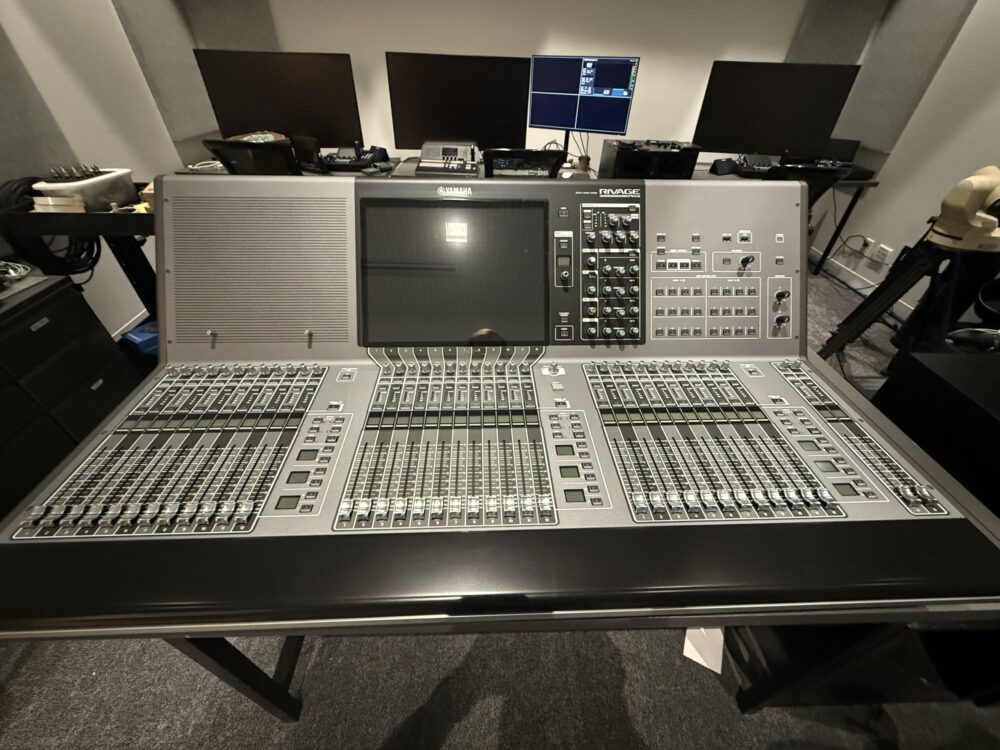
The SLSO’s previous equipment could reach its capacity as increasingly complex productions required more inputs and individualized stereo mixes. The new system provides considerably more flexibility, allowing musicians to receive more precisely tailored mixes while giving the front-of-house engineer independent control over the audience experience.
The impact of the new equipment won’t be limited to amplified concerts. The audio system supports spoken introductions, pre-concert lectures, and other presentations throughout the season, meaning the words spoken or sung on stage won’t get lost among the sounds of the orchestra.
For Stage Manager Adam Sheppard, the upgrade can be summarized more simply: “We’ve caught up with the times.”
The result is technology audiences may not immediately notice—which, in many ways, is the point. Whether helping a guest artist hear exactly what they need onstage or allowing a voice to emerge cleanly above an ensemble, the new system is designed to make the technology recede and the performance come through with greater clarity.
Eric Dundon is the SLSO’s Public Relations Director.