A Century of Service: The Volunteers Behind the St. Louis Symphony Orchestra
By Eric Dundon
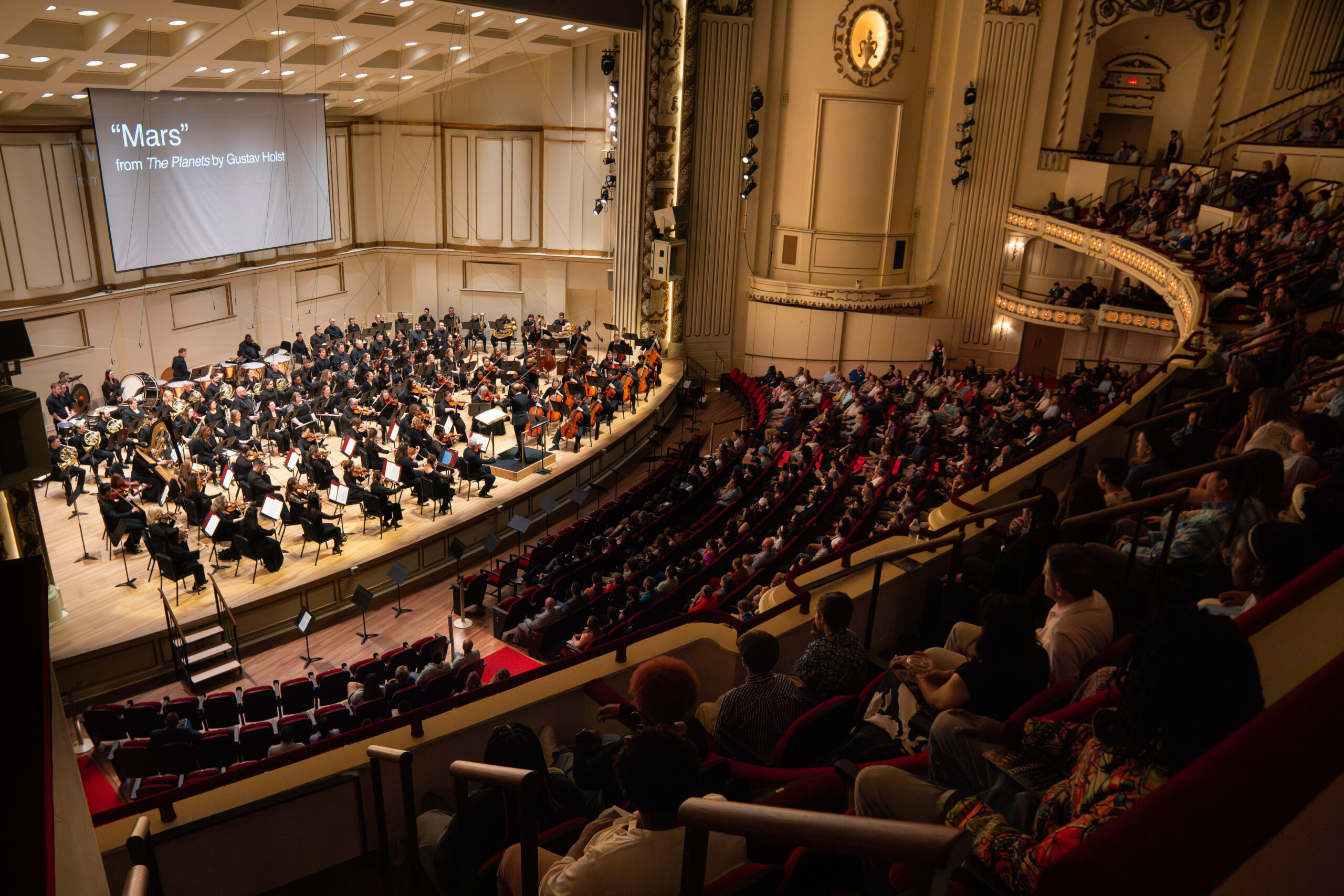
Long before the first notes sound at a St. Louis Symphony Orchestra concert, volunteers have been hard at work.
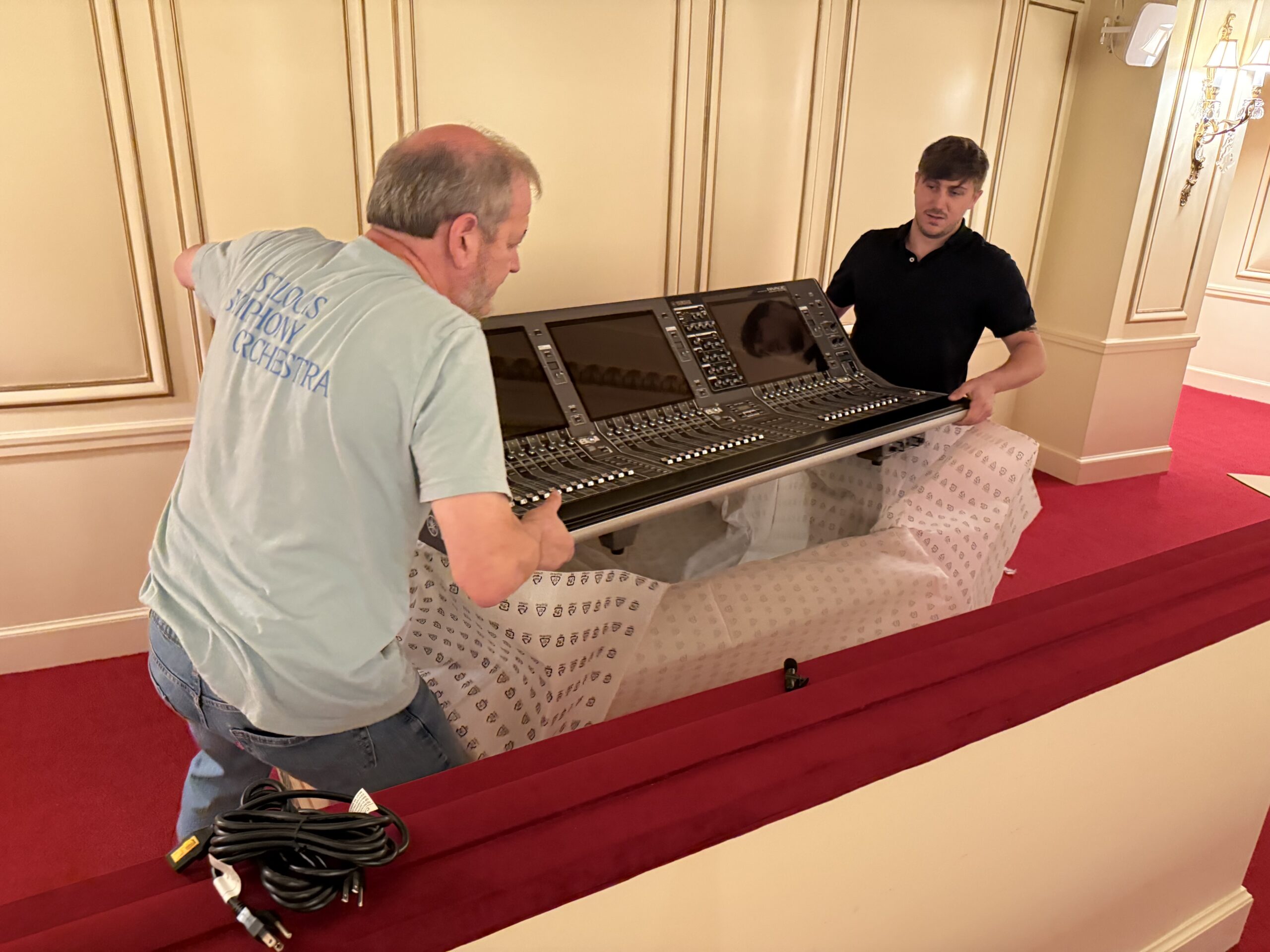
They may be greeting a busload of schoolchildren arriving for their first orchestral concert, welcoming a first-time audience member to Powell Hall, arranging SLSO merchandise for sale, or lending an extra pair of hands behind the scenes. On non-concert days throughout the SLSO’s season, volunteers are helping aspiring Youth Orchestra musicians navigate auditions and orientation, giving tours of the Jack C. Taylor Music Center, championing the orchestra in the community, or advocating for arts funding with elected officials.
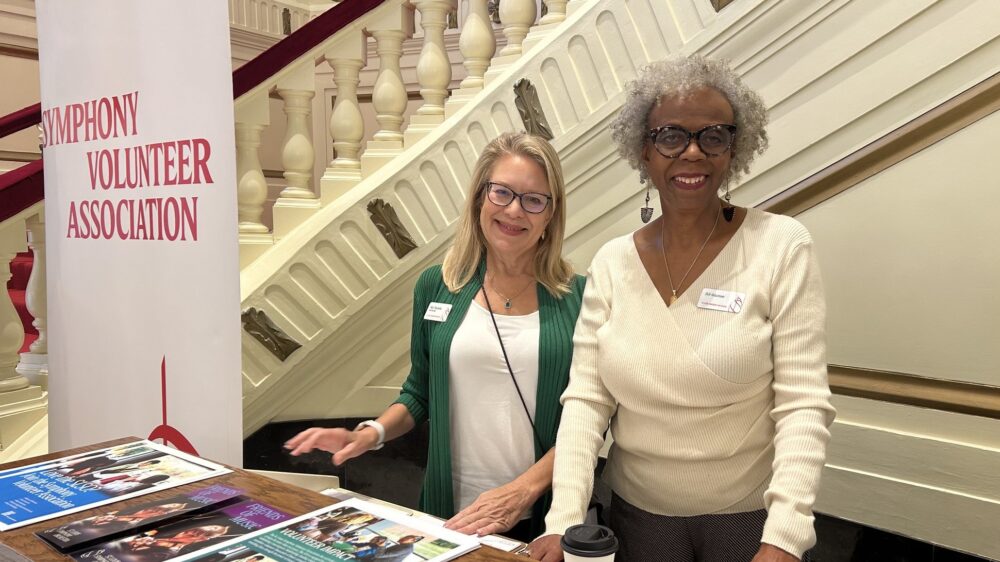
These volunteers are part of the St. Louis Symphony Volunteer Association (SVA), and for 100 years, its members have found ways—sometimes highly visible, sometimes nearly invisible—to strengthen the SLSO and connect it more deeply with the community. Today, more than 400 SVA members contribute more than 12,000 volunteer hours each season, working across philanthropy and stewardship, education, membership, and the concert experience.
The 2026/27 season is a celebration of the SVA’s centennial milestone—a celebration of generations of people whose dedication has strengthened a cornerstone of St. Louis culture. Their jobs have changed considerably over the past century. The motivation behind them has not.
“The SVA exists to support the many activities of the SLSO,” said Suzanne Seibel, the SVA’s current president, “and throughout the their service, volunteers have discovered a deepening love for music, an appreciation for the orchestra’s role in the region, and lifelong friendships.”
Learn more about the SVA here.
A tradition built by doing
The story begins in a St. Louis home.
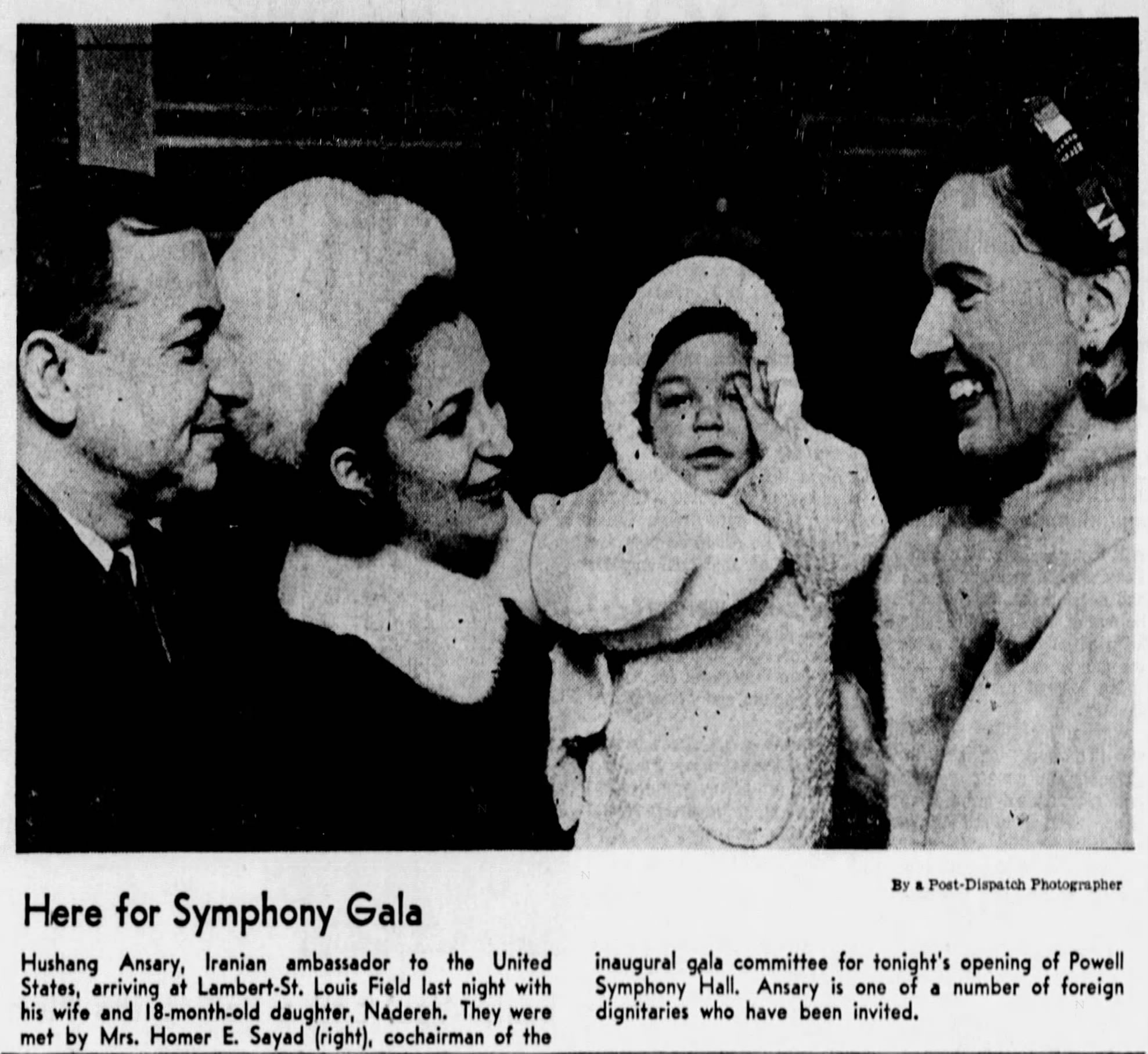
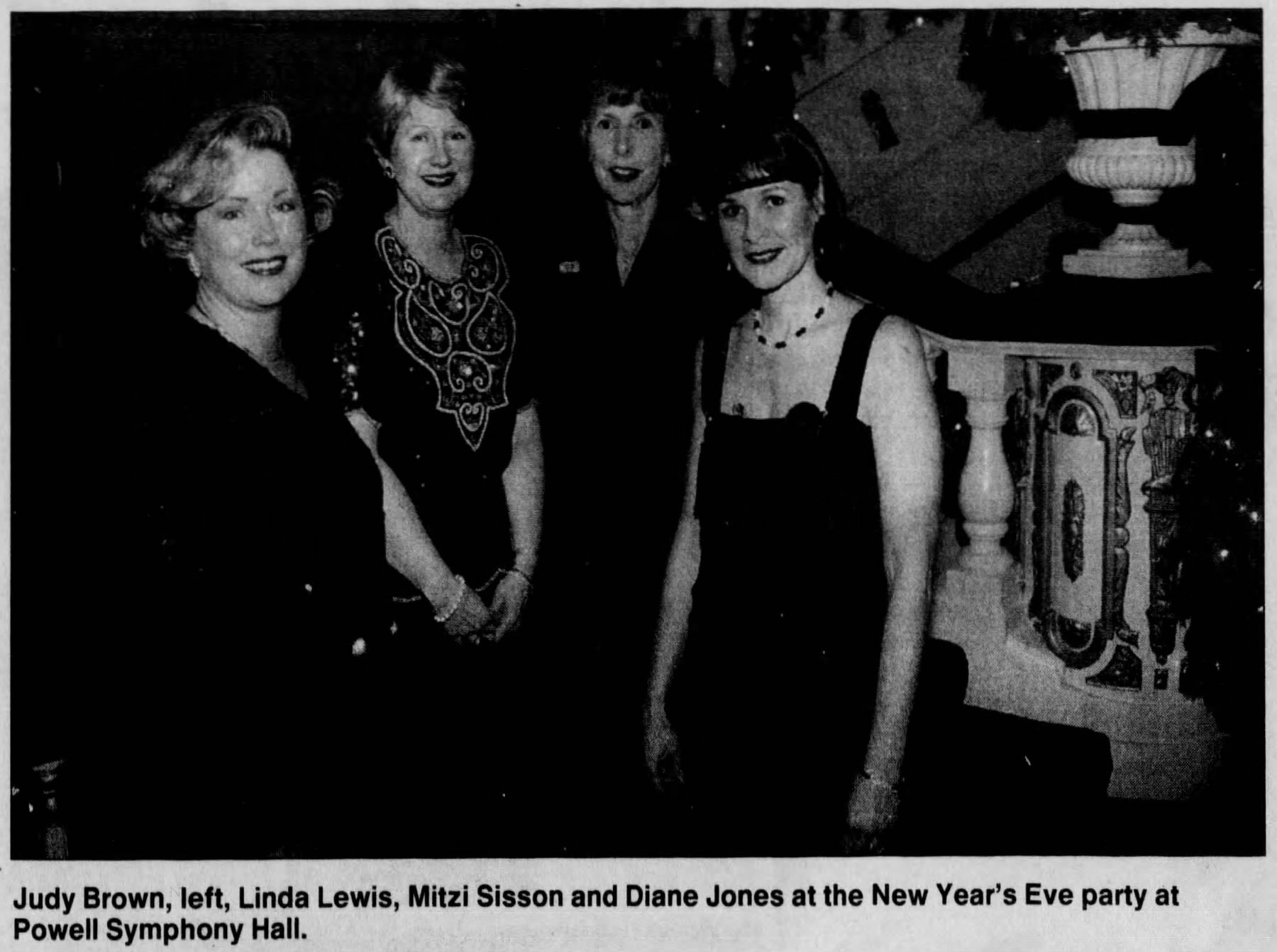
In 1923, a group gathered at the home of Mrs. Charles M. Rice to discuss how they might support the orchestra. Their conversations led to the creation of the Women’s Committee of the St. Louis Symphony Society, an organization open to women who contributed to the orchestra’s Guarantee Fund or held season tickets. Membership soon reached 165 and would grow to 626 by 1941.
From the beginning, this was not a ceremonial auxiliary. Its members had meaningful work to do.
“In those early years, women worked tirelessly behind the scenes, shaping the orchestra and the concert experience we know today,” said Marie-Hélène Bernard, SLSO President and CEO. “They were critical to the success of the orchestra and laid the foundation for generations of significant volunteer support.”
In those early decades, volunteers primarily sold tickets and subscriptions. They became ambassadors for the orchestra throughout St. Louis, making the case—one conversation at a time—that the SLSO belonged at the center of the city’s cultural life. Within a decade, they had secured more than 1,300 subscriptions, attracting attention from musical organizations around the country. Their reputation apparently reached one particularly interested musician: Leonard Bernstein, the famous conductor and composer, once sought their advice about how to “sell out the house.”
The anecdote is charming a century later, but it also reveals something fundamental about the organization. These volunteers weren’t simply helping the orchestra; the orchestra flourished because of the people who built relationships around it.
“These women were inspiring in their efforts to support the symphony,” said Seibel. “A century later, we still look to them as models.”
Finding new ways to serve
As the SLSO changed, its volunteer activities evolved alongside it.
Over the decades, volunteers sponsored weekly broadcasts of orchestra concerts and organized pre-concert talks. They raised money and endowed three orchestra chairs. They led tours of Powell Hall, staffed the SLSO Boutique, and developed music programs for young people. At Friday morning Coffee Concerts, they served coffee and doughnuts to everyone from senior groups to schoolchildren.
By the late 20th century, men had joined the volunteer ranks, and in 1991 the organization adopted the name St. Louis Symphony Volunteer Association. Today its membership spans ages, backgrounds, and musical experience. What unites its members is a passion for music and an interest in giving back to a St. Louis institution.
Holly Tran, who joined the SVA in 2026, remembered one of her first experiences with fellow volunteers, recalling “the sense of purpose we shared.”
“What stands out most,” she said, “is the people. Their genuine warmth, generosity, and eagerness to welcome a newcomer left a lasting impression on me.”
The impact of 12,000 hours
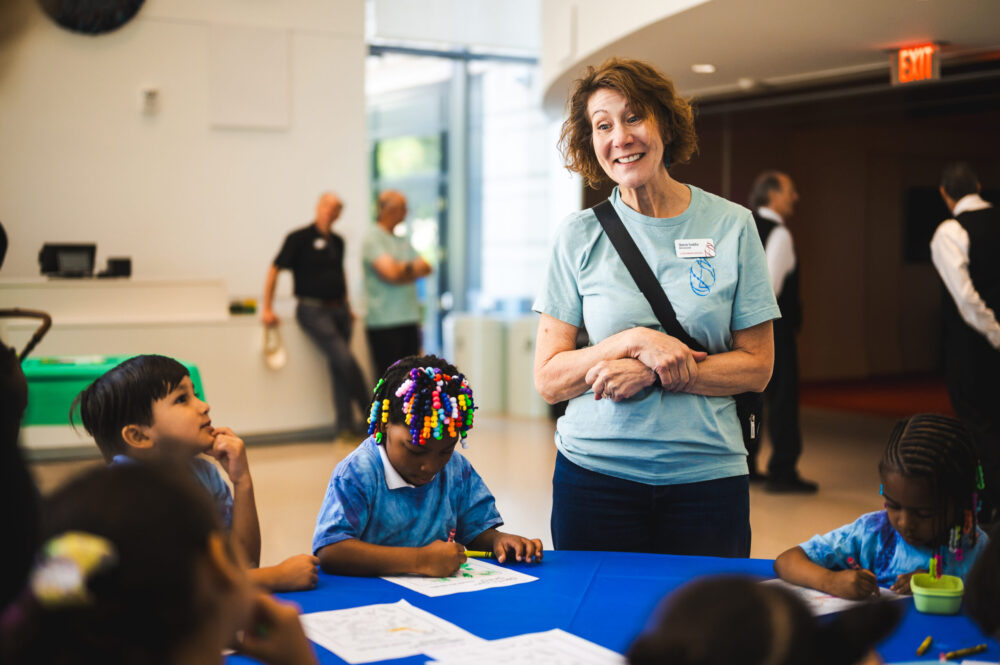
On concert days, up to eight volunteers serve alongside SLSO staff, welcoming guests, providing directions, staffing the SVA desk, and creating a positive experience for audiences at the Jack C. Taylor Music Center. Behind the scenes, others assist with administrative work, education and community programs, and advocacy.
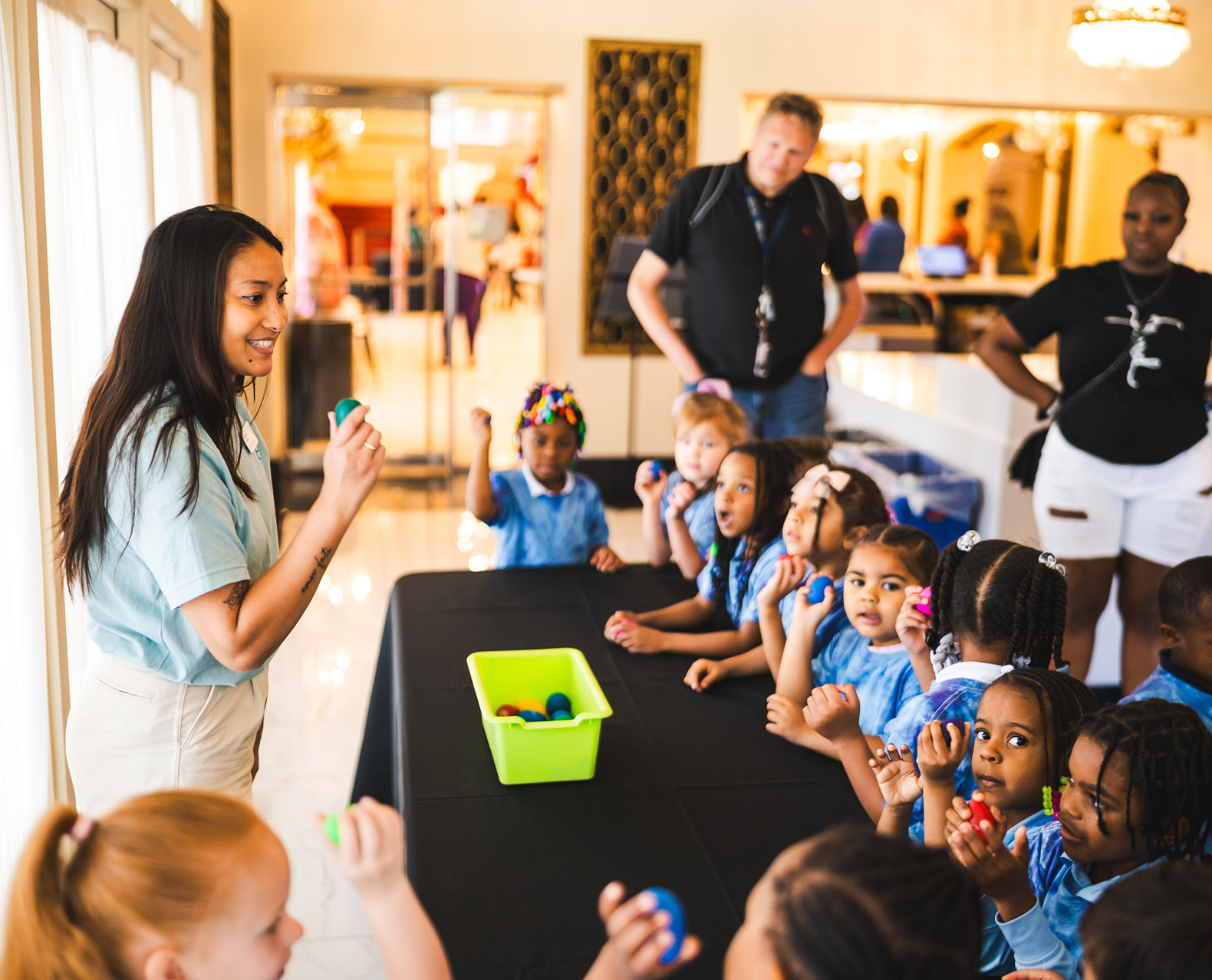
For some of the SLSO’s youngest visitors, volunteers are among their first introductions not only to Powell Hall but to the orchestra itself.
Jeff Kaplan, a former SVA President, said the annual Link Up concerts, where elementary students play their recorders and string instruments alongside the orchestra, are a highlight for volunteers.
“To see 2,000 children, with their attention riveted to the stage, dancing and playing, is an inspiring sight,” he said.
When school buses arrive for education concerts, SVA members welcome students and teachers into the building. For a child who has never heard a live orchestra—or perhaps never stepped inside a concert hall—a welcoming face matters.
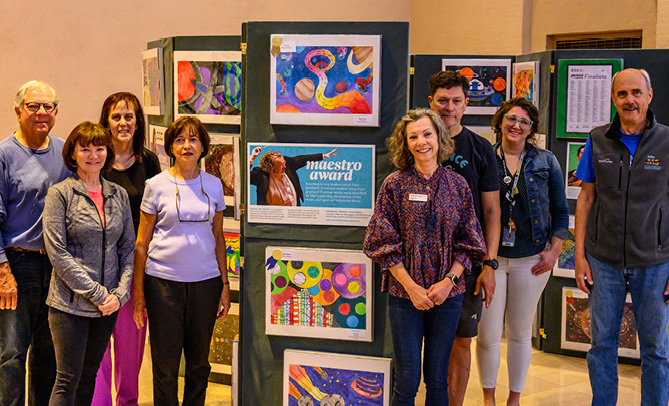
The SVA’s involvement with young people extends well beyond the concert hall. Engaging thousands of students in their schools each year, volunteers manage Picture the Music, the SLSO’s cross-curricular program inviting students to respond to music through visual art. In 2023, the program received a Gold Award from the League of American Orchestras for exceptional service to the community. It is one part of the SVA’s support for SLSO education initiatives that reach hundreds of thousands of students and teachers each year.
The SVA’s century of service goes beyond the day-to-day tasks of the orchestra. Philanthropic support adds another dimension to that contribution.
“We are so grateful to the volunteers who bring their expertise and generous spirits to every activity they participate in. With their selfless gifts of time and talent, we are stronger, reach more people, and fortify our position as an institution that belongs to everyone in our community,” Bernard, the SLSO’s President, said.
Looking forward
The relationship between volunteers and the SLSO has endured because the SVA has adapted to the needs of a modern orchestra. The organization that once concentrated on selling subscriptions has repeatedly reconsidered what service to the orchestra can mean.
Its second century begins at another moment of transformation. The SLSO is once again at home in an expanded and renovated campus, the Jack C. Taylor Music Center, and its work increasingly reaches beyond the traditional boundaries of the concert hall. The SVA enters that future much as its founders entered 1923: looking for places where enthusiasm, generosity, and human connection can make a difference.
The SVA is “a collection of experienced and accomplished people with expertise in various fields,” Kaplan said. “Both SVA and SLSO leadership have understood this, and the collaboration has been a tremendous success.”
For its centennial season, the organization has set a goal of welcoming 100 new members. It is an appropriately forward-looking way to celebrate a milestone—not simply by remembering a century of service, but by inviting another generation to set the course for the next 100 years.
Eric Dundon is the SLSO’s Public Relations Director.